Architectural Blueprints of Mughal Old Dhaka: Historical Structure Tracking

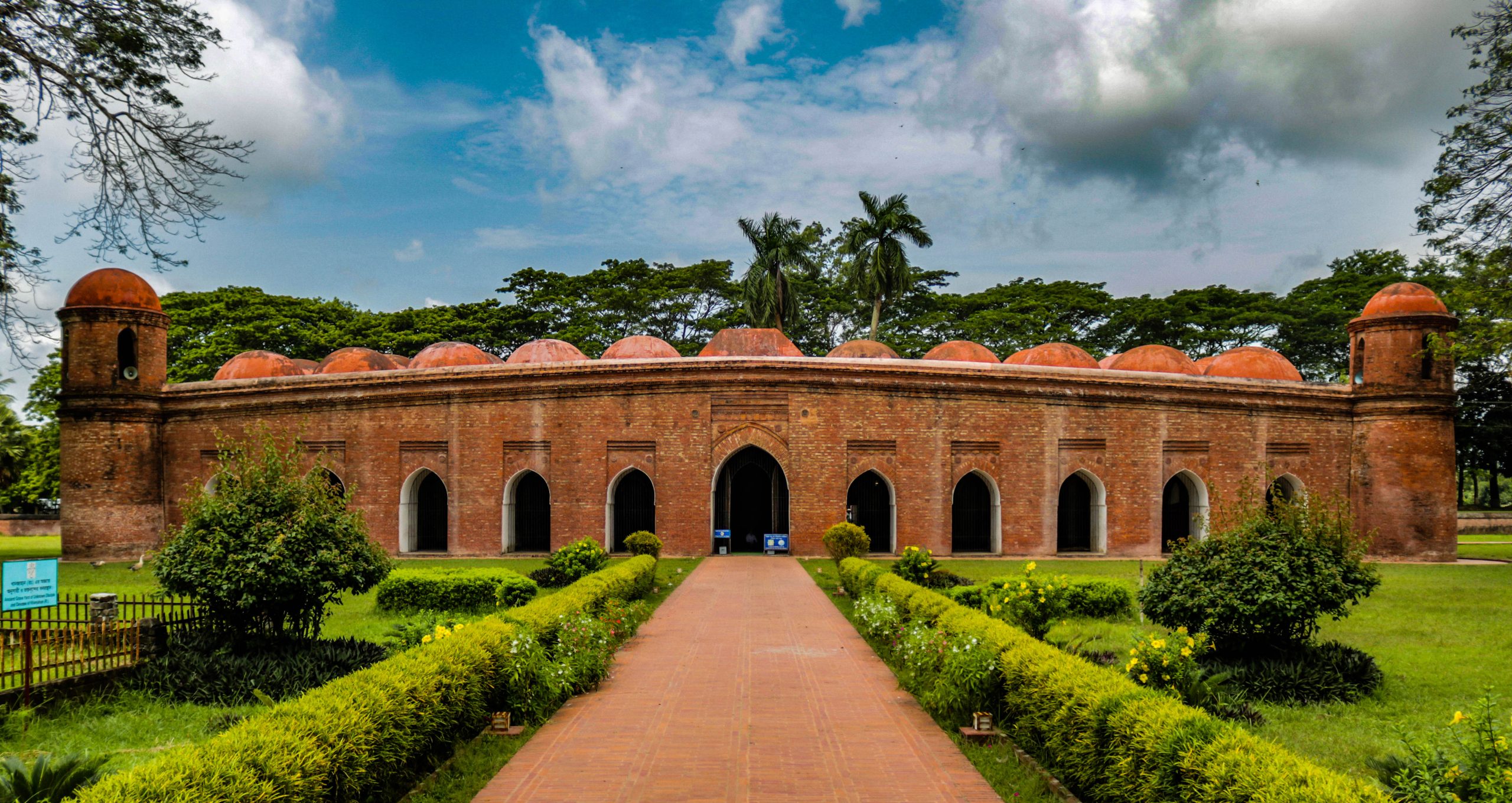
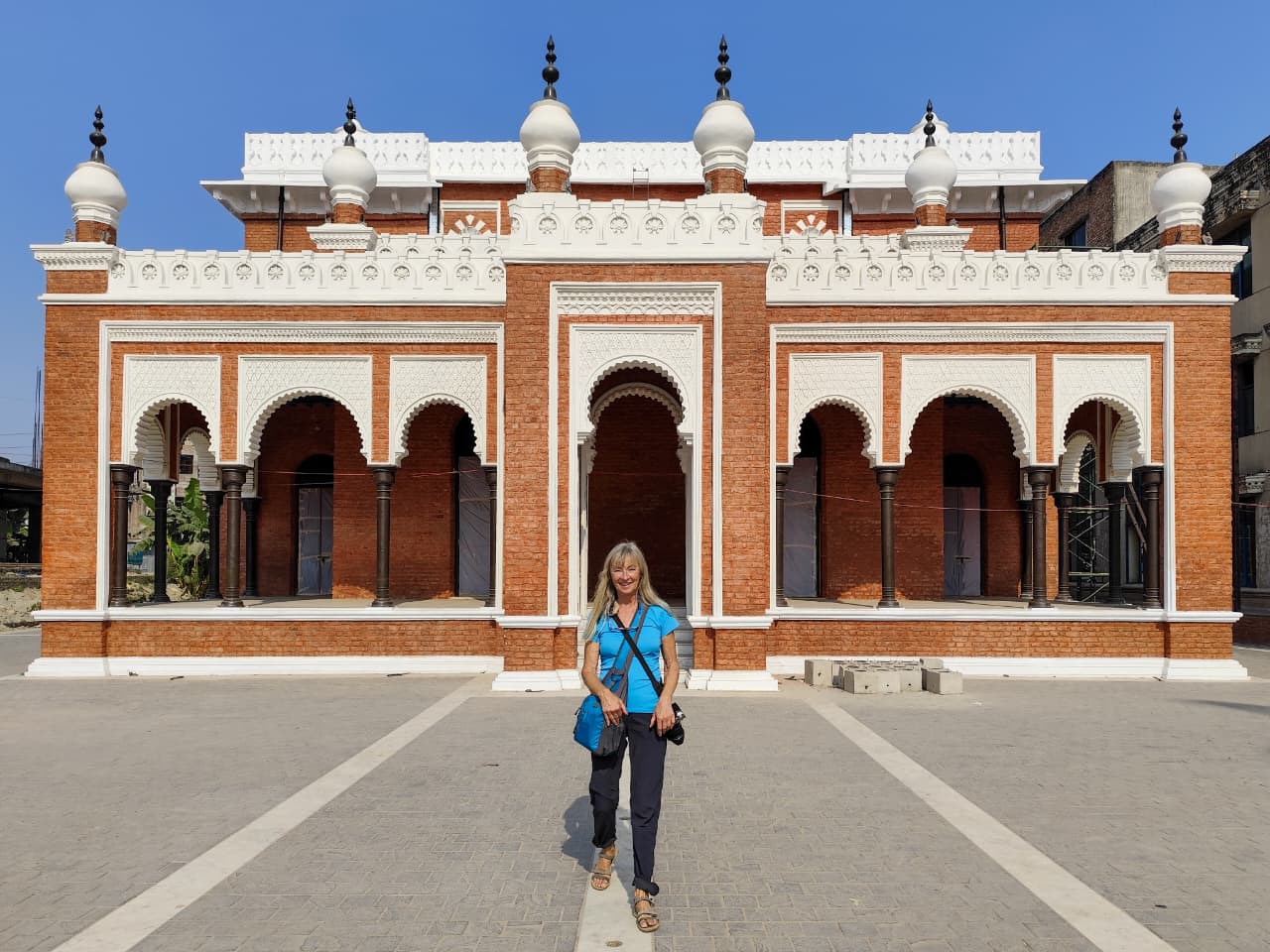
Old Dhaka, also known as Puran Dhaka, preserves some of the finest examples of Mughal-era architecture in Bangladesh. During the 17th century, when Dhaka served as the capital of Bengal Subah under the Mughal Empire, significant structures were built using local materials and imperial design principles. This guide provides a structural analysis of key monuments — Lalbagh Fort, Ahsan Manzil, and Tara Masjid — focusing on brickwork techniques, masonry materials, and historical context. Historical Context of Mughal Rule in Dhaka The Mughal Empire gained firm control over Bengal in the early 17th century. In 1608, Dhaka (then Jahangirnagar) was declared the provincial capital by Subahdar Islam Khan. This period saw rapid urban development with mosques, forts, palaces, and administrative buildings constructed in the Mughal style, characterized by symmetry, red brick, marble inlays, and intricate ornamentation. Many structures combined Persian, Indian, and local Bengali architectural elements, using abundant riverine clay for bricks and lime mortar. Lalbagh Fort: Incomplete Masterpiece of Mughal Military Architecture Location: Lalbagh, Old Dhaka Construction Period: 1678–1680 (initiated by Prince Muhammad Azam, son of Emperor Aurangzeb) Lalbagh Fort represents a classic Mughal fortification design, though it was never completed due to the prince’s departure and subsequent political changes. Structural Analysis The fort’s incomplete state offers valuable insight into Mughal construction methods — visitors can observe exposed foundations and unfinished sections that reveal internal masonry techniques. Ahsan Manzil: The Pink Palace and Riverfront Architecture Location: Kumartuli, on the banks of the Buriganga River Construction Period: 1859–1872 (built by Nawab Abdul Ghani, though reflecting late Mughal and European influences) While primarily from the post-Mughal Nawabi period, Ahsan Manzil incorporates strong Mughal design principles adapted to riverfront topography. Key Architectural Features Today, the palace functions as a museum displaying Nawabi artifacts and lifestyle, offering excellent examples of transitional architecture between Mughal and colonial eras. Tara Masjid: The Star Mosque and Ornamental Tile Work Location: Armanitola, Old Dhaka Construction Period: Early 19th century (though rooted in Mughal stylistic traditions) Tara Masjid is renowned for its exquisite blue-and-white star-patterned tiles, representing one of the finest examples of decorative mosque architecture in Bangladesh. Masonry and Ornamentation Details The mosque’s compact size and detailed ornamentation make it an ideal subject for close architectural study and photography. Step-by-Step Historical Walking Route in Old Dhaka A well-planned walking tour allows visitors to experience these monuments efficiently: Total Distance: Approximately 4–5 km Best Time: Early morning or late afternoon to avoid midday heat Duration: 4–6 hours including photography and museum time Key navigation tips: The narrow lanes of Old Dhaka require local guidance for safety and deeper historical context. Masonry Materials and Construction Techniques of the Mughal Era Mughal builders in Bengal primarily used: These materials were chosen for durability in the humid, flood-prone delta environment. Sonar Bangla Tour Heritage Experiences Sonar Bangla Tour offers specialized Dhaka Heritage Tours that focus on Mughal architecture. Our guided walks include: These tours provide deeper understanding beyond standard sightseeing. The Importance of Preserving Mughal Heritage The architectural legacy of Mughal Old Dhaka represents an important chapter in Bangladesh’s history. These structures demonstrate advanced engineering, aesthetic sensibility, and cultural synthesis. Responsible tourism helps fund preservation efforts and raises awareness about protecting these irreplaceable monuments from urban pressures.
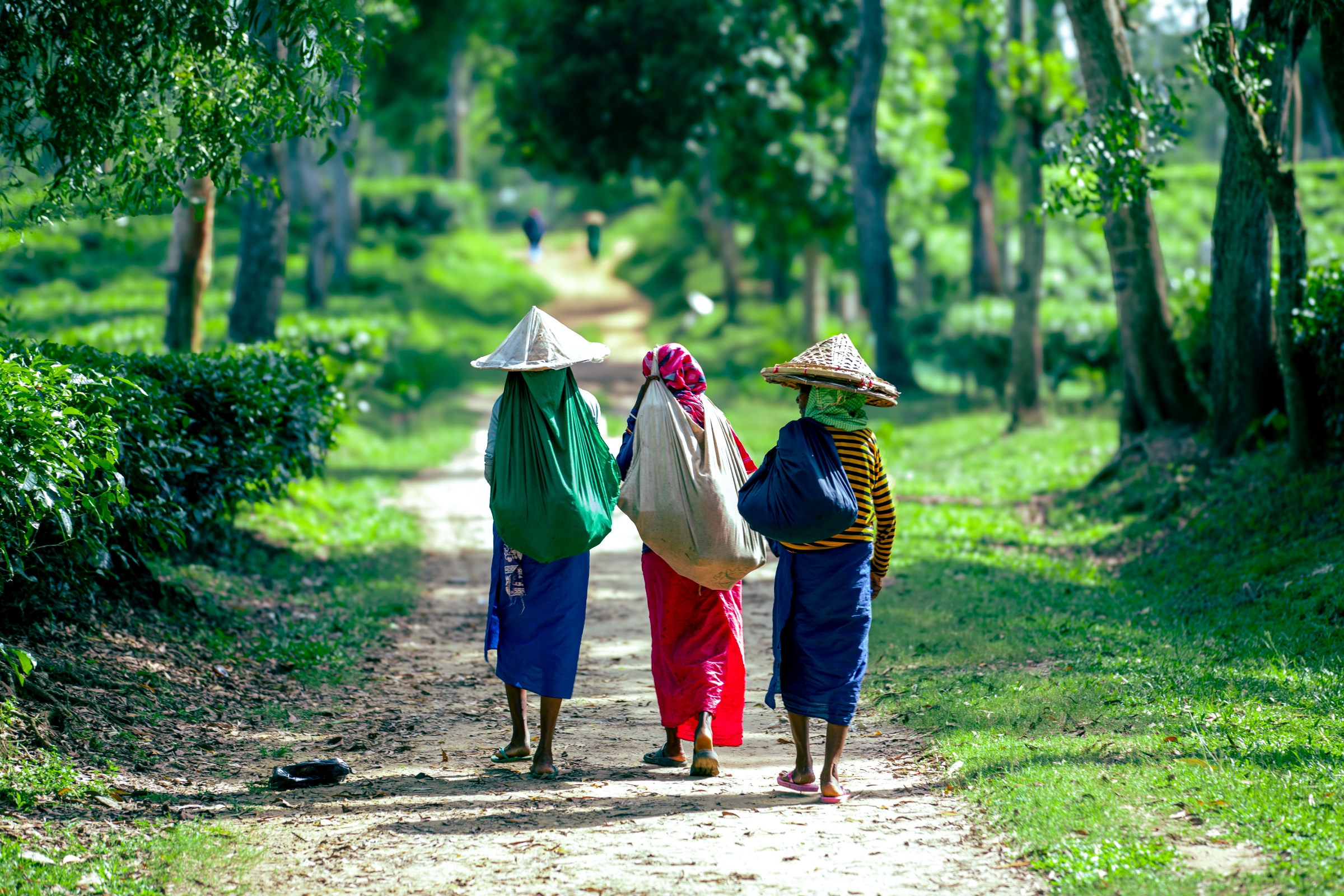
Sreemangal Topography: Soil Composition, Tea Varieties, and Trail Coordinates

Sreemangal, located in Moulvibazar District of Sylhet Division, is widely recognized as the Tea Capital of Bangladesh. Its rolling hills, lush tea estates, and adjacent rainforests create one of the most picturesque landscapes in the country. This guide examines the topography, soil characteristics, tea cultivation details, and precise trail coordinates for visitors seeking an authentic eco-tourism experience. Geographic and Topographic Overview Sreemangal sits approximately 190–200 km northeast of Dhaka at an average elevation of 20–50 meters above sea level. The terrain consists of undulating hills and valleys shaped by the region’s subtropical climate and heavy monsoon rainfall (often exceeding 2,500–4,000 mm annually). The landscape features: This topography supports diverse microclimates — misty mornings, warm days, and cooler evenings — ideal for tea cultivation and biodiversity. Soil Composition and Its Role in Tea Cultivation Tea (Camellia sinensis) thrives in acidic, well-drained soils with high organic matter. In Sreemangal, the predominant soil types are loamy sand to sandy loam, with pH levels typically ranging from 4.3 to 4.8 (strongly acidic). This acidity is optimal for black tea production. Key soil metrics from regional studies: The British colonial planters in the 1850s recognized these conditions — heavy rainfall, acidic loamy soils, and year-round warmth — as perfect for tea. Today, over 160 tea estates operate in the Sreemangal region, producing a significant portion of Bangladesh’s total tea output. Shade trees (such as various leguminous species) are planted to regulate soil temperature, prevent erosion, and enhance fertility. Major Tea Varieties Grown in Sreemangal The region specializes in high-quality black tea (orthodox and CTC varieties). Popular cultivars include: The famous Seven-Layer Tea (a visual specialty served at places like Nilkantha Tea Cabin) demonstrates how different densities and brewing techniques create distinct color bands from the same local leaves. Tea plucking occurs year-round, with peak seasons during the first and second flushes (March–May and June–August), when tender leaves yield the best flavor. Lowacherra National Park: Biodiversity and Forest Trails Located just 8 km east of Sreemangal, Lowacherra (Lawachara) National Park is a 1,250-hectare protected tropical rainforest. It represents one of Bangladesh’s last remaining semi-evergreen forests. Key biodiversity statistics: The park’s trails wind through dense bamboo groves, orchids, and ancient trees, offering excellent opportunities for birdwatching and primate spotting. Indigenous Khasi Villages and Cultural Trails Scattered among the tea estates are several Khasi indigenous villages. The Khasi community follows a matrilineal system and is known for betel leaf cultivation and traditional weaving. Popular trails include paths connecting tea gardens with Khasi settlements, providing insights into sustainable farming and local lifestyles. These routes combine natural beauty with cultural immersion. Precise Trail Coordinates and Navigation Tips Here are key GPS pin-drops for offline use (approximate WGS84 coordinates): Recommended multi-day itinerary: Use offline Google Maps files with these pins for reliable navigation. Early morning and late afternoon provide best lighting and wildlife activity. Practical Travel Information for Sreemangal Sonar Bangla Tour Sreemangal Packages Sonar Bangla Tour offers responsible Sreemangal tours focused on eco-tourism, photography, and cultural exchange. Our packages include: These journeys combine relaxation in nature with meaningful cultural connections. Why Sreemangal Represents Responsible Tourism Sreemangal showcases the perfect balance between agricultural productivity, biodiversity conservation, and cultural preservation. By choosing guided, community-aware tours, visitors support local economies while helping protect the fragile hill ecosystems and indigenous traditions.

Bishwa Ijtema Transit Logistics: Tongi Route and Crowd Management

The Bishwa Ijtema is one of the largest annual Muslim gatherings in the world, held on the banks of the River Turag in Tongi, near Dhaka, Bangladesh. Organized by the Tablighi Jamaat, this peaceful congregation attracts millions of devotees from across Bangladesh and over 150 countries for prayer, spiritual reflection, and community. This logistical guide provides data-driven information on transportation routes, crowd management strategies, and practical transit planning to help attendees and visitors navigate the event efficiently. Historical Background and Scale of the Bishwa Ijtema The Bishwa Ijtema began in the 1950s as a regional gathering of the Tablighi Jamaat movement. The first major congregation in the area now known as Bangladesh occurred in Chittagong in 1954. By 1967, the government allocated a permanent site along the Turag River in Tongi. Attendance has grown significantly over the decades: The event typically spans three days (Friday to Sunday), with multiple phases in some years. It culminates in the Akheri Munajat (final supplication prayer), during which millions raise their hands in unified prayer for global peace. Event Structure and Key Timelines The Ijtema features daily prayers, sermons by Islamic scholars, and Quran recitations. The most significant day is the final Akheri Munajat, usually held around noon. In recent editions, this prayer has lasted approximately 15–20 minutes, drawing the largest crowds. Typical Schedule (subject to annual confirmation): For 2026, dates may shift to March (instead of the traditional January window) due to scheduling considerations. Always verify official announcements closer to the event. Transportation Routes from Dhaka to Tongi Tongi is located approximately 20–25 km north of central Dhaka, making it accessible via multiple modes of transport. 1. Train Services Bangladesh Railway operates regular and special trains during the Ijtema: 2. Bus and Road Transport 3. Other Options Traffic regulations are strictly enforced by Dhaka Metropolitan Police (DMP), including diversions for heavy vehicles. Crowd Management and Density Considerations With millions attending, crowd density peaks during the Akheri Munajat and departure phases. Key management strategies include: Practical Crowd Navigation Tips: Post-event departures create significant pressure on transport. Trains often become extremely crowded, with devotees traveling on rooftops in some cases — a visual hallmark of the event. Essential English-to-Bengali Phrases for Transit Carrying a printed or saved phrase sheet helps when interacting with local transport staff and volunteers. Safety and Practical Preparation Sonar Bangla Tour Support for Bishwa Ijtema Sonar Bangla Tour provides specialized support for visitors and photographers attending the Bishwa Ijtema. Our services include: Our experienced team helps domestic and international travelers navigate the large crowds while ensuring a meaningful experience. Downloadable Resources Exclusive Assets from Sonar Bangla Tour: These practical tools are available via newsletter signup or direct contact with our team. Responsible Travel During Large Gatherings The Bishwa Ijtema exemplifies peaceful global unity. Attendees and visitors contribute positively by: Sonar Bangla Tour promotes low-impact, community-aware travel that enhances the positive legacy of such events.

Low-Light Photography Dynamics at the Barodi Rakher Upobash

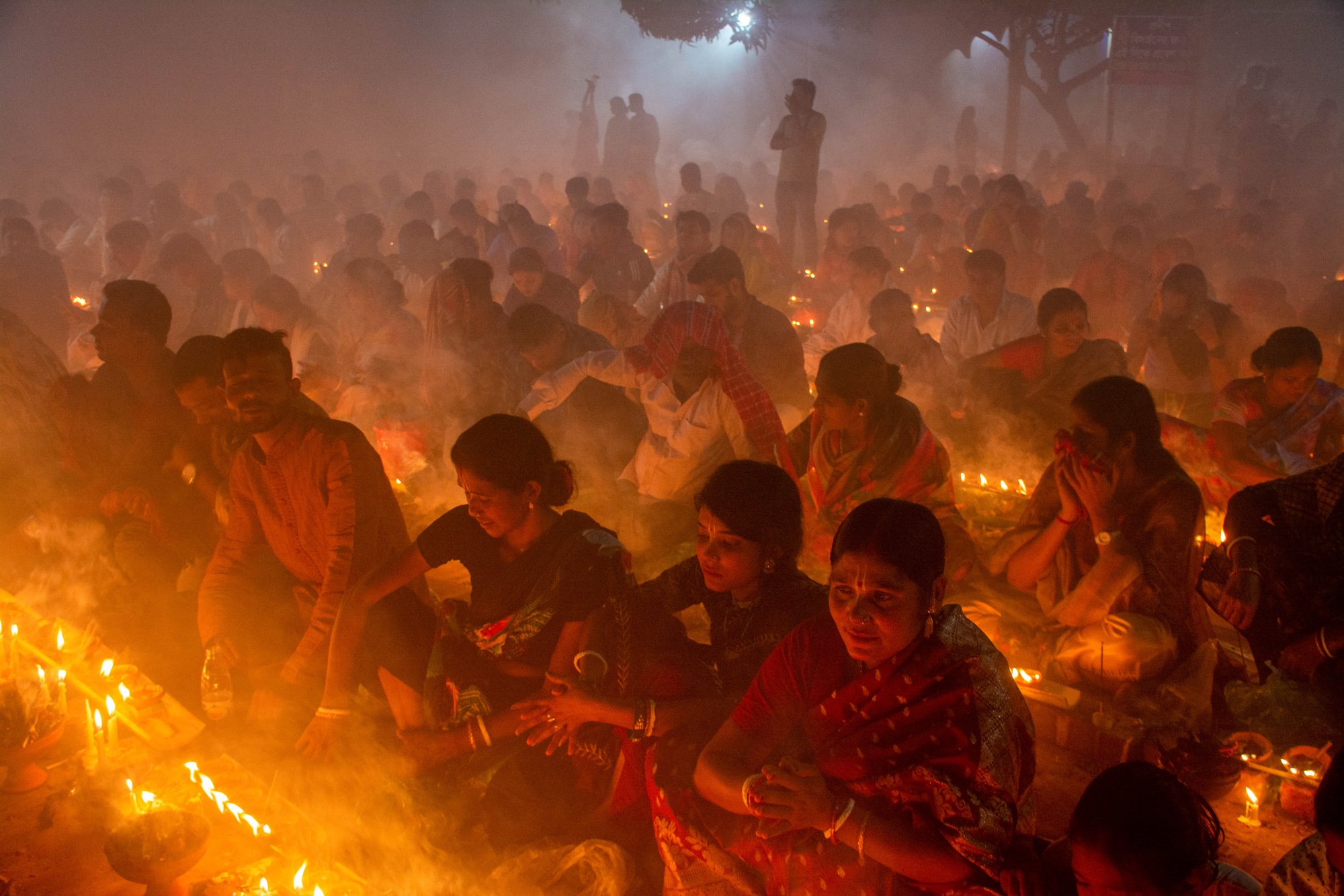
The Barodi Rakher Upobash, widely known as Kartik Brata, stands as one of the most visually compelling Hindu festivals in Bangladesh. Held annually at the Shri Shri Baba Lokenath Brahmachari Ashram in Barodi, Sonargaon, Narayanganj district, the event transforms the ashram into a sea of flickering earthen lamps (pradip) and incense smoke as thousands of devotees gather for prayer, fasting, and spiritual reflection. This comprehensive technical guide equips photographers with precise data on exposure profiles, equipment performance, site logistics, and respectful shooting practices for capturing the ritual under challenging low-light conditions. Historical and Cultural Significance of Baba Lokenath and Rakher Upobash Baba Lokenath Brahmachari (1730–1890) was an influential 18th–19th century Hindu saint and philosopher from Bengal. Born in what is now West Bengal, he lived to the remarkable age of 160 years and spent the final decades of his life at the Barodi Ashram. His teachings emphasized humanism, unity across religions, and spiritual discipline, attracting devotees from Hindu, Muslim, Buddhist, and Christian communities alike. Rakher Upobash occurs during the last 15 days of the Bengali month of Kartik (typically October–November in the Gregorian calendar). Devotees observe strict fasting from sunrise and break it at sundown after performing rituals. Central to the observance is the lighting of small ghee-soaked cotton wicks in earthen lamps, placed on banana leaves or mats while offering prayers to Baba Lokenath. Saturdays and Tuesdays hold special significance during this period. The festival creates a profound atmosphere of collective devotion. The warm glow of thousands of lamps, combined with rising incense smoke and the quiet focus of devotees, produces unique visual opportunities for documentary, portrait, and ethno-photography. It is recognized as a living example of intangible cultural heritage in Bangladesh. Understanding the Technical Challenges of Low-Light Festival Photography Photographing Rakher Upobash presents classic low-light difficulties amplified by environmental factors. Primary illumination comes from small ghee lamps, each producing roughly 5–15 lumens. Even with thousands of lamps, overall ambient light remains limited, often requiring elevated ISO settings. Key environmental variables include: Successful photography requires balancing technical precision with cultural sensitivity. Recommended Camera Settings and Exposure Profiles Fundamental Exposure Strategy For optimal results in the ashram’s low-light environment: White Balance and Metering Set white balance to Tungsten (approximately 2500–3200K) or create a custom preset using a neutral gray card under lamp light. This accurately captures the warm, golden-orange tones of ghee flames. Auto white balance frequently produces overly cool results. Use spot metering on mid-tone areas such as devotees’ clothing or faces rather than matrix metering, which can be fooled by bright flame hotspots. Apply exposure compensation of -0.7 to -1.3 EV to protect highlight details in the lamps. Advanced Techniques and Lens Choices Post-processing tips: Use tools like Lightroom or Photoshop for selective noise reduction, warmth adjustments, and contrast recovery. Preserve the natural glow of the lamps rather than over-sharpening. Site Logistics: Barodi Ashram Layout and Optimal Camera Positions The Shri Shri Baba Lokenath Brahmachari Ashram includes a central temple, surrounding courtyards, and adjacent structures such as the Tirodhan Temple and Durga Temple. Devotees typically sit in organized rows across the main courtyard. Strategic photography positions: Evening rituals peak between 6 PM and 10 PM. Arriving early allows time to secure positions before crowds build. The ashram also offers basic visitor facilities, including restrooms and limited overnight accommodations. Comprehensive Equipment and Preparation Checklist Prepare thoroughly for the conditions: Consider bringing a small LED panel (with warm color temperature) for subtle fill light if permitted, though natural lamp light is preferred for authenticity. Common Mistakes to Avoid Sonar Bangla Tour Photography Experiences Sonar Bangla Tour offers specialized photography tours to Rakher Upobash and other cultural festivals across Bangladesh. Our experienced local guides ensure access to prime viewing areas, provide timing coordination, and deliver briefings on cultural etiquette and history. These tours blend technical photography support with immersive understanding of the rituals and Baba Lokenath’s legacy. Participants benefit from group logistics, safety measures, and opportunities to connect with local communities — all while practicing responsible tourism principles. Whether you are a hobbyist or professional photographer, joining a guided tour simplifies navigation and enriches the experience. Downloadable Resources (Lead Magnet) To support your preparation, Sonar Bangla Tour provides exclusive assets: These resources are available via newsletter signup or direct contact. Practicing Responsible and Ethical Photography Rakher Upobash represents a sacred tradition of faith, discipline, and community bonding. Photographers serve as visual storytellers who can help preserve and share this intangible cultural heritage. Key ethical practices include: By documenting the festival thoughtfully, visitors contribute to cultural appreciation and the sustainability of such traditions.

Sundarbans Mangrove Ecology: Wildlife Statistics and Flora Mapping

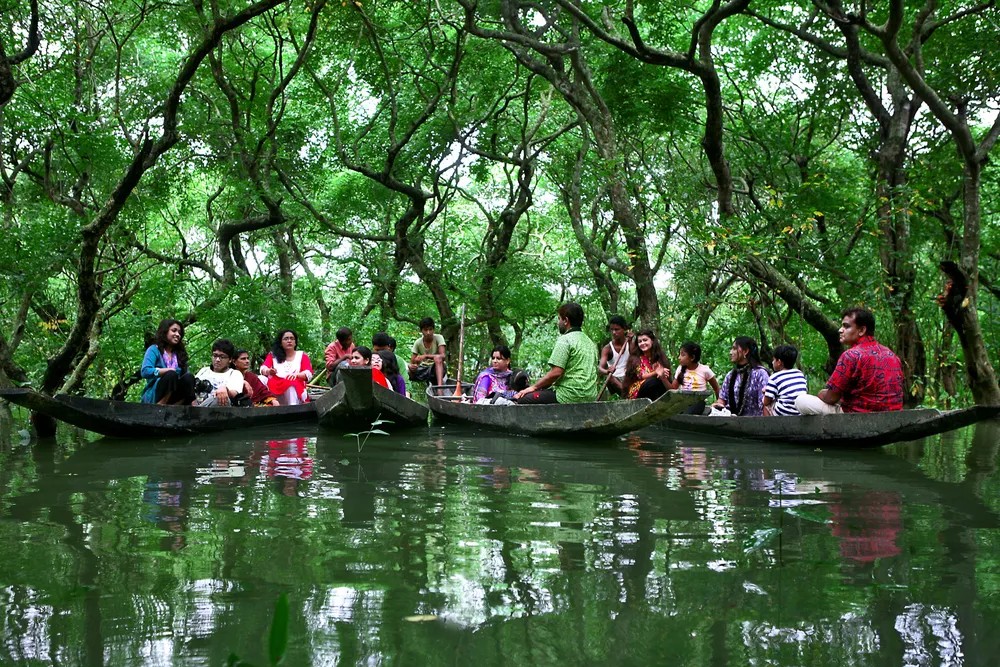
The Sundarbans is the world’s largest mangrove forest, spanning the delta of the Ganges, Brahmaputra, and Meghna rivers across Bangladesh and India. The Bangladesh portion covers approximately 6,017 km² and forms a critical UNESCO World Heritage Site. This article presents factual data on its ecological structure, focusing on wildlife population metrics and flora distribution patterns. Geographic Structure and Salinity Zones The Sundarbans mangrove system is divided into three primary salinity zones based on freshwater inflow and tidal influence: Recent hydrological studies show that salinity levels fluctuate seasonally. Summer records the highest averages (around 17–23 ppt in several monitoring stations), while winter and monsoon periods see significant reductions due to freshwater discharge. Western zones consistently register higher salinity compared to eastern parts. These gradients directly influence species distribution and ecosystem dynamics. Flora Mapping: The Role of Sundari Trees Heritiera fomes, locally known as Sundari, is the signature species of the Sundarbans and historically constitutes a major portion of the forest canopy. It thrives best in low-to-moderate salinity environments (oligohaline to mesohaline zones). In higher salinity areas, its growth and health decline, with increased incidence of “top dying” disease. Other prominent mangrove species include: The forest supports around 334 plant species overall. Sundari trees play a foundational role in stabilizing sediments, reducing coastal erosion, and storing significant amounts of carbon. Wildlife Statistics: Focus on the Royal Bengal Tiger The Sundarbans is the only mangrove habitat in the world supporting a population of Royal Bengal Tigers (Panthera tigris tigris). According to the latest Bangladesh Forest Department census (2024 data): This upward trend reflects ongoing conservation efforts despite pressures from habitat change and human-wildlife interactions. Other notable wildlife: The ecosystem supports complex food webs where tigers primarily prey on deer and boar, while aquatic species thrive in the intricate network of creeks and rivers. Why This Data Matters for Visitors Understanding these ecological parameters helps travelers prepare for meaningful experiences in the Sundarbans. Boat-based tours navigate through diverse salinity zones, offering opportunities to observe variations in vegetation and wildlife activity. Sonar Bangla Tour operates responsible Sundarban tours with experienced local guides who follow established routes that maximize observation while minimizing environmental impact. Our packages include multi-day river cruises, guided wildlife spotting, and adherence to forest department regulations. Downloadable Resources (Lead Magnet) To support informed travel planning, we provide: These resources are available upon inquiry. Conservation Context The Sundarbans faces challenges from climate-induced sea level rise, salinity intrusion, and sediment dynamics. Maintaining freshwater flow through major rivers remains essential for preserving the low-salinity habitats favored by Sundari trees and supporting tiger prey populations. Responsible tourism contributes positively by generating local economic benefits and raising awareness about ecosystem protection.

Visit Khulna: Culture, Nature, and Heritage Combined

Khulna is a vibrant city in southern Bangladesh, known as the gateway to the Sundarbans and a hub of culture, rivers, and history. Surrounded by the Rupsha and Bhairab rivers, Khulna offers a calm and authentic travel experience. Visitors can explore nearby attractions like Karamjal Eco Park, enjoy river views, and experience local cuisine and traditions. Khulna is also an ideal starting point for Sundarbans tours, making it a strategic destination for travelers. The city reflects a blend of modern development and traditional lifestyle. From river bridges to local markets, Khulna gives travelers a deeper look into southern Bangladesh’s culture. Our travel agency offers Khulna tour packages with comfortable transport, sightseeing, and customized itineraries—perfect for travelers looking for a peaceful yet enriching journey. Best time to visit: October to MarchIdeal for: Cultural travelers, eco-tourism, relaxed trips 👉 Discover Khulna with us and experience the true charm of southern Bangladesh.

Discover the Wild Beauty of Sundarbans: A UNESCO World Heritage Site

The Sundarbans is the largest mangrove forest in the world and one of Bangladesh’s most extraordinary travel destinations. Recognized as a UNESCO World Heritage Site, it is home to rich biodiversity, including the famous Royal Bengal Tiger. A trip to the Sundarbans offers thrilling river cruises, wildlife spotting, and peaceful moments surrounded by nature. Travelers can explore narrow canals, watch deer and crocodiles, and experience life in forest-adjacent villages. This destination is perfect for nature lovers and adventure seekers who want to experience Bangladesh beyond cities and beaches. The calm environment, fresh air, and unique ecosystem make the Sundarbans truly unforgettable. Our travel agency provides guided Sundarbans tour packages, including boat safaris, forest permits, meals, accommodation, and experienced local guides—ensuring safety and comfort throughout the journey. Best time to visit: November to FebruaryIdeal for: Nature lovers, eco-tourism, adventure travelers 👉 Join us to explore the mysterious beauty of the Sundarbans responsibly and safely.

Exploring Cox’s Bazar: The World’s Longest Natural Sea Beach

Cox’s Bazar is one of the most iconic travel destinations in Bangladesh, famous for having the world’s longest uninterrupted natural sea beach. Stretching over 120 kilometers, this coastal paradise offers breathtaking views, golden sands, and unforgettable sunsets. Visitors can relax at Laboni Beach, enjoy a scenic drive along the Marine Drive, or explore the untouched beauty of Inani Beach. Adventure lovers can visit Himchari Waterfall, while food enthusiasts will enjoy fresh seafood prepared in local styles. Cox’s Bazar is also a perfect destination for families, couples, and solo travelers. From luxury beach resorts to budget-friendly hotels, accommodation options are available for every traveler. At our travel agency, we offer custom Cox’s Bazar tour packages, including hotel bookings, transport, sightseeing, and guided experiences—ensuring a stress-free and memorable trip. Best time to visit: October to MarchIdeal for: Beach lovers, honeymoon trips, family vacations 👉 Book your Cox’s Bazar tour today and experience the beauty of the Bay of Bengal like never before.