
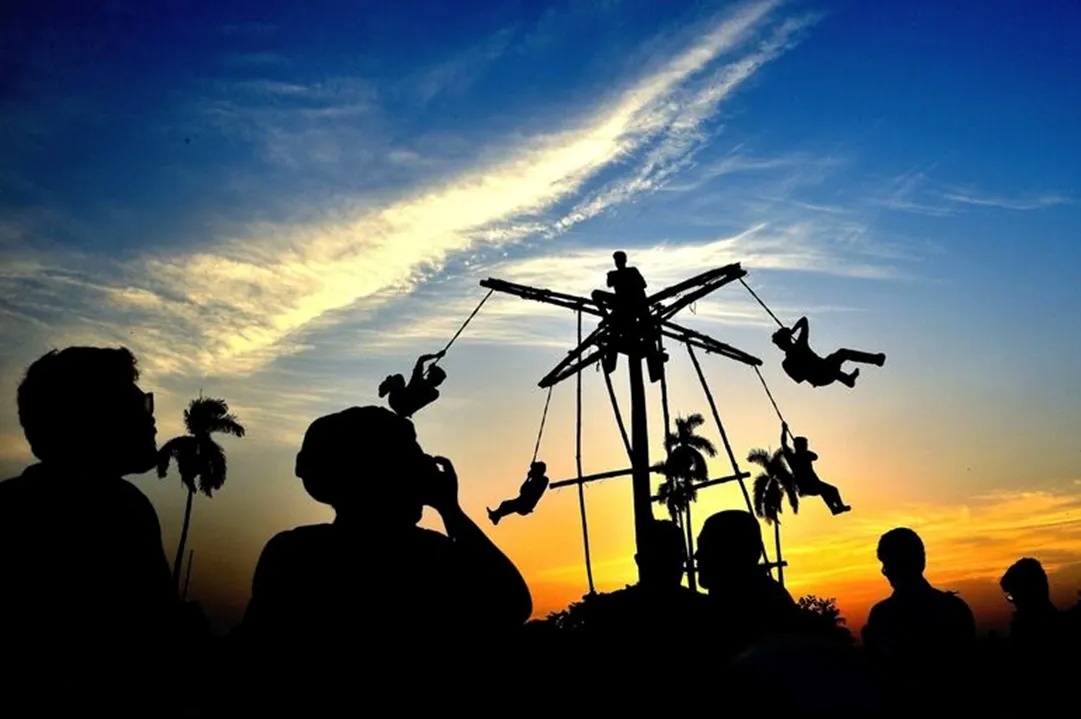
Charak Puja is a traditional Hindu folk festival celebrated in rural districts of Bangladesh, particularly in the Khulna, Jessore, and adjacent regions. Observed during the Bengali month of Chaitra (March–April), the festival involves intense physical rituals, including hook-swinging, that demonstrate devotion, endurance, and community participation. This article examines the historical roots, ritual mechanics, and cultural significance of Charak Puja.
Historical Roots of Charak Puja
Charak Puja has ancient origins linked to the worship of Lord Shiva (as well as regional folk deities). The festival is believed to have evolved from pre-Vedic and Tantric traditions that emphasize physical austerity and symbolic sacrifice for communal well-being and agricultural prosperity.
In Bengal, the tradition gained prominence during the medieval period and continued as a rural folk practice even after major religious shifts. It represents a synthesis of classical Hindu Shaivism with local indigenous beliefs. Historical accounts from colonial ethnographers document the festival’s prevalence in the southwestern districts of what is now Bangladesh.
The name “Charak” derives from the Sanskrit term for the wheel or the act of swinging, referring to the central ritual of devotees being suspended from hooks.
Geographic Concentration in Rural Bangladesh
The most vibrant celebrations occur in rural areas of Khulna Division, Jessore, Satkhira, and parts of Faridpur. These regions have strong agricultural communities where the festival is tied to the end of the harvesting season and the beginning of the new agricultural cycle. Village temples, open fields, and temporary festival grounds serve as primary venues.
The timing coincides with the Bengali New Year period, creating a confluence of renewal themes across Hindu traditions in Bangladesh.
Physical Rituals and Swinging Hook Mechanics
The most striking element of Charak Puja is the Charak Swing or hook-swinging ritual.
Mechanics of the Ritual:
- A tall wooden pole (often 30–40 feet high) is erected in the center of the festival ground.
- A rotating horizontal beam is attached at the top, functioning like a giant wheel.
- Devotees (usually men) have metal hooks inserted into the skin of their backs or chests.
- They are then suspended from the rotating beam and swung in circles, sometimes for extended periods.
- Additional elements include spinning while hanging, performing acrobatic movements, and enduring the physical strain as an offering.
The hooks are typically inserted by experienced practitioners using traditional methods to minimize injury. Devotees often enter a trance-like state through chanting, drumming, and spiritual preparation. The ritual symbolizes surrender to the divine and the bearing of community burdens.
Preparation and Supporting Rituals
Before the main swinging event, several preparatory rituals take place:
- Fasting and Purification: Participants observe strict fasting and ritual bathing.
- Processions: Colorful processions with drumming, folk music, and masked dancers.
- Animal Sacrifice (in some traditions): Symbolic offerings (though this practice has declined in many areas due to modernization and legal regulations).
- Fire Walking and Other Austerities: Some devotees walk on burning coals or perform other acts of endurance.
The entire festival spans several days, with the climax usually occurring on the last day of Chaitra.
Community and Cultural Significance
Charak Puja serves multiple social functions:
- It reinforces community bonds through collective participation and support for the devotees.
- It acts as a thanksgiving for agricultural bounty and a prayer for future prosperity.
- It preserves traditional knowledge of ritual performance, music, and craftsmanship (especially in constructing the swinging apparatus).
Women play important supportive roles in organizing, preparing ritual items, and maintaining devotional atmosphere, even though the most physically demanding acts are traditionally performed by men.
Safety, Evolution, and Modern Practices
In contemporary times, safety measures have been introduced:
- Medical teams are present on site.
- Hooks are sterilized and insertion techniques have been refined.
- Many villages have reduced the height and duration of swings to minimize risk.
Some communities have replaced actual hook-swinging with symbolic acts or lighter performances while retaining the core devotional spirit. Local administrations and cultural organizations work to document and preserve the festival as intangible cultural heritage.
Festival Calendar and Regional Variations
Charak Puja dates follow the lunar calendar, typically falling in mid-to-late April. In 2026, major celebrations in Khulna and Jessore regions are expected around April 13–15, aligning closely with Pohela Boishakh.
Variations exist between villages — some emphasize music and dance, while others focus on the physical austerity rituals. Neighboring districts may incorporate elements from local folk deities alongside Shiva worship.
Sonar Bangla Tour Cultural Festival Experiences
Sonar Bangla Tour offers responsible access to selected rural Charak Puja celebrations as part of specialized cultural and photography tours. Our approach includes:
- Coordination with local communities for respectful viewing
- Expert guides who explain the historical and ritual context
- Emphasis on cultural sensitivity and safety
- Support for local traditions through community-based tourism
These experiences provide rare insights into living folk traditions that are seldom seen by mainstream tourists.
Broader Context in Bangladeshi Folk Traditions
Charak Puja stands alongside other rural festivals like Gaajan and various Shaivite observances as a testament to the resilience of folk Hinduism in Bangladesh. It highlights the country’s rich tapestry of syncretic religious practices where classical traditions merge with local customs.
The physical intensity of the rituals reflects deeper philosophical concepts of body, devotion, and transcendence. Documenting and understanding these mechanics helps preserve an important aspect of Bangladesh’s intangible cultural heritage for future generations.