
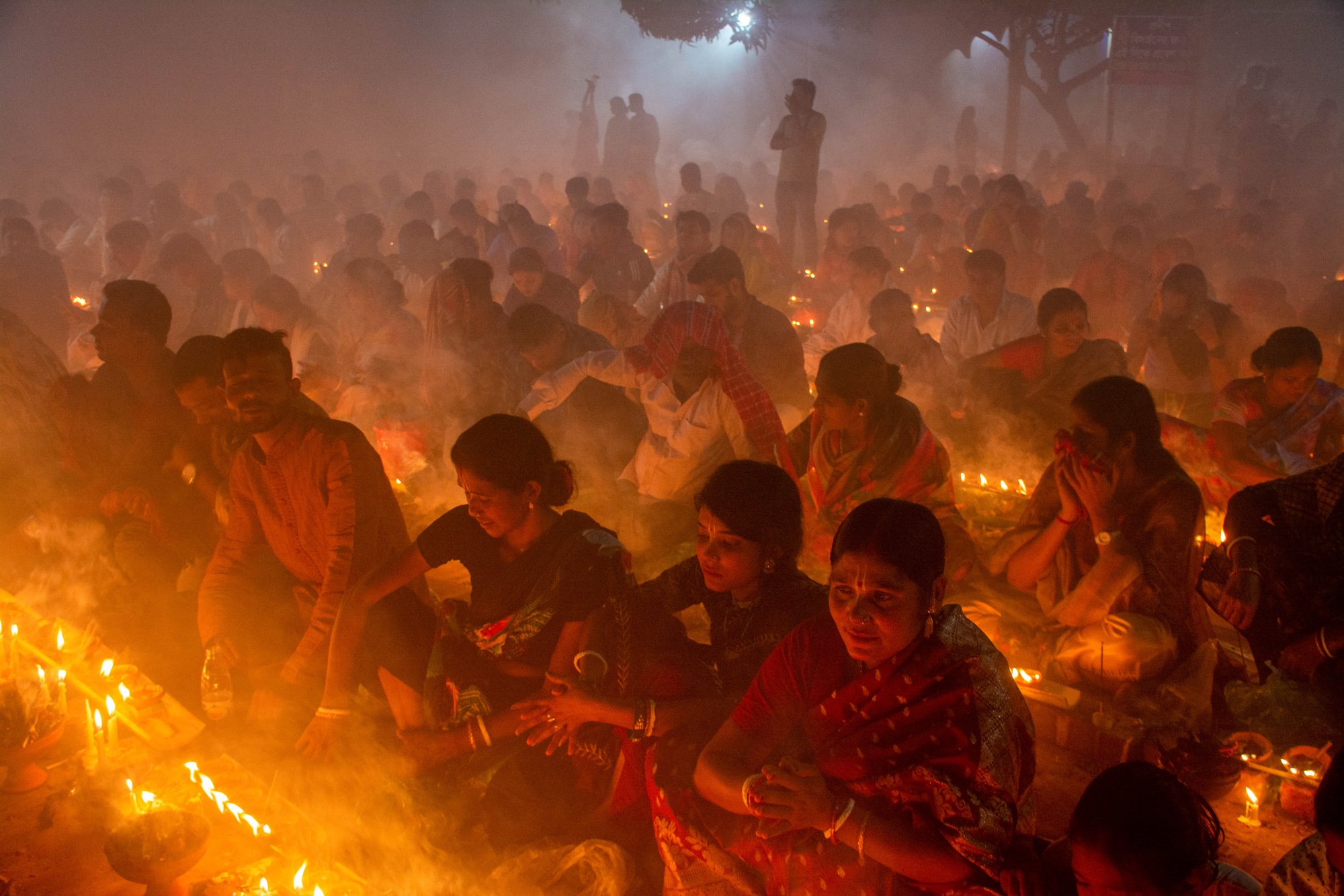
The Barodi Rakher Upobash, widely known as Kartik Brata, stands as one of the most visually compelling Hindu festivals in Bangladesh. Held annually at the Shri Shri Baba Lokenath Brahmachari Ashram in Barodi, Sonargaon, Narayanganj district, the event transforms the ashram into a sea of flickering earthen lamps (pradip) and incense smoke as thousands of devotees gather for prayer, fasting, and spiritual reflection.
This comprehensive technical guide equips photographers with precise data on exposure profiles, equipment performance, site logistics, and respectful shooting practices for capturing the ritual under challenging low-light conditions.
Historical and Cultural Significance of Baba Lokenath and Rakher Upobash
Baba Lokenath Brahmachari (1730–1890) was an influential 18th–19th century Hindu saint and philosopher from Bengal. Born in what is now West Bengal, he lived to the remarkable age of 160 years and spent the final decades of his life at the Barodi Ashram. His teachings emphasized humanism, unity across religions, and spiritual discipline, attracting devotees from Hindu, Muslim, Buddhist, and Christian communities alike.
Rakher Upobash occurs during the last 15 days of the Bengali month of Kartik (typically October–November in the Gregorian calendar). Devotees observe strict fasting from sunrise and break it at sundown after performing rituals. Central to the observance is the lighting of small ghee-soaked cotton wicks in earthen lamps, placed on banana leaves or mats while offering prayers to Baba Lokenath. Saturdays and Tuesdays hold special significance during this period.
The festival creates a profound atmosphere of collective devotion. The warm glow of thousands of lamps, combined with rising incense smoke and the quiet focus of devotees, produces unique visual opportunities for documentary, portrait, and ethno-photography. It is recognized as a living example of intangible cultural heritage in Bangladesh.
Understanding the Technical Challenges of Low-Light Festival Photography
Photographing Rakher Upobash presents classic low-light difficulties amplified by environmental factors. Primary illumination comes from small ghee lamps, each producing roughly 5–15 lumens. Even with thousands of lamps, overall ambient light remains limited, often requiring elevated ISO settings.
Key environmental variables include:
- Smoke diffusion physics: Incense and lamp smoke creates volumetric lighting effects — soft, glowing halos around flames — but also scatters light, lowers contrast, and introduces potential lens flare.
- High dynamic range: Bright flame highlights contrast sharply with deep shadows in the courtyard and among seated devotees.
- Crowd movement and density: Limited space during peak hours demands quick, discreet shooting.
- Humidity and temperature: November evenings in Bangladesh can bring dew, affecting equipment performance.
Successful photography requires balancing technical precision with cultural sensitivity.
Recommended Camera Settings and Exposure Profiles
Fundamental Exposure Strategy
For optimal results in the ashram’s low-light environment:
- Aperture: f/2.8 to f/4.0 — wide enough to gather light while retaining sufficient depth of field for environmental portraits and group scenes.
- Shutter Speed: 1/30s to 1/125s for handheld shooting. Slower speeds (with stabilization) can introduce artistic motion blur in smoke or devotee movement.
- ISO: 3200–6400 on modern full-frame sensors. Many photographers achieve clean results at ISO 3200 with bodies like Nikon Z6/Z7, Sony A7 series, or Canon R-series due to strong noise handling. Push to 6400–12800 only when necessary, applying noise reduction in post-processing.
White Balance and Metering
Set white balance to Tungsten (approximately 2500–3200K) or create a custom preset using a neutral gray card under lamp light. This accurately captures the warm, golden-orange tones of ghee flames. Auto white balance frequently produces overly cool results.
Use spot metering on mid-tone areas such as devotees’ clothing or faces rather than matrix metering, which can be fooled by bright flame hotspots. Apply exposure compensation of -0.7 to -1.3 EV to protect highlight details in the lamps.
Advanced Techniques and Lens Choices
- Bracket exposures (±1 to 2 stops) for HDR merging when dynamic range exceeds single-frame capability.
- Employ silent shutter or electronic shutter modes to maintain the solemn atmosphere.
- Recommended lenses:
- Fast primes: 24mm f/1.4, 35mm f/1.8, or 50mm f/1.4 for intimate portraits and wide environmental shots.
- Versatile zoom: 24-70mm f/2.8 for flexibility in crowded conditions.
Post-processing tips: Use tools like Lightroom or Photoshop for selective noise reduction, warmth adjustments, and contrast recovery. Preserve the natural glow of the lamps rather than over-sharpening.
Site Logistics: Barodi Ashram Layout and Optimal Camera Positions
The Shri Shri Baba Lokenath Brahmachari Ashram includes a central temple, surrounding courtyards, and adjacent structures such as the Tirodhan Temple and Durga Temple. Devotees typically sit in organized rows across the main courtyard.
Strategic photography positions:
- Elevated areas near the temple perimeter for sweeping overview shots of the sea of lights.
- Side angles along the courtyard edges for intimate portraits capturing flame-lit faces and expressions.
- Rear perspectives to utilize leading lines of devotees facing the shrine.
Evening rituals peak between 6 PM and 10 PM. Arriving early allows time to secure positions before crowds build. The ashram also offers basic visitor facilities, including restrooms and limited overnight accommodations.
Comprehensive Equipment and Preparation Checklist
Prepare thoroughly for the conditions:
- Sturdy tripod or monopod for longer exposures and stability.
- Lens hoods to minimize flare from scattered flames.
- Multiple spare batteries — high ISO and cold weather accelerate drain.
- Weather-sealed camera body and lenses to handle humidity and potential dew.
- Silent operation mode and dimmed screen brightness to respect the devotional setting.
- Portable power bank and cleaning cloths for smoke residue.
Consider bringing a small LED panel (with warm color temperature) for subtle fill light if permitted, though natural lamp light is preferred for authenticity.
Common Mistakes to Avoid
- Using flash — it disrupts the atmosphere and is generally discouraged.
- Over-relying on Auto mode, which often results in underexposed or noisy images.
- Getting too close without permission during active prayers.
- Ignoring cultural etiquette, such as removing shoes and dressing modestly.
Sonar Bangla Tour Photography Experiences
Sonar Bangla Tour offers specialized photography tours to Rakher Upobash and other cultural festivals across Bangladesh. Our experienced local guides ensure access to prime viewing areas, provide timing coordination, and deliver briefings on cultural etiquette and history.
These tours blend technical photography support with immersive understanding of the rituals and Baba Lokenath’s legacy. Participants benefit from group logistics, safety measures, and opportunities to connect with local communities — all while practicing responsible tourism principles.
Whether you are a hobbyist or professional photographer, joining a guided tour simplifies navigation and enriches the experience.
Downloadable Resources (Lead Magnet)
To support your preparation, Sonar Bangla Tour provides exclusive assets:
- Printable courtyard layout blueprint of the Barodi Ashram, with marked optimal camera positions and movement paths.
- Detailed timeline of evening rituals for the 2026 season.
- Customized low-light exposure cheat sheet optimized for ghee lamp conditions.
- Etiquette guidelines for respectful photography.
These resources are available via newsletter signup or direct contact.
Practicing Responsible and Ethical Photography
Rakher Upobash represents a sacred tradition of faith, discipline, and community bonding. Photographers serve as visual storytellers who can help preserve and share this intangible cultural heritage.
Key ethical practices include:
- Maintaining respectful distance during prayers.
- Seeking permission for close-up portraits when appropriate.
- Minimizing disruption from camera screens or equipment.
- Supporting the local economy through responsible tourism.
By documenting the festival thoughtfully, visitors contribute to cultural appreciation and the sustainability of such traditions.