
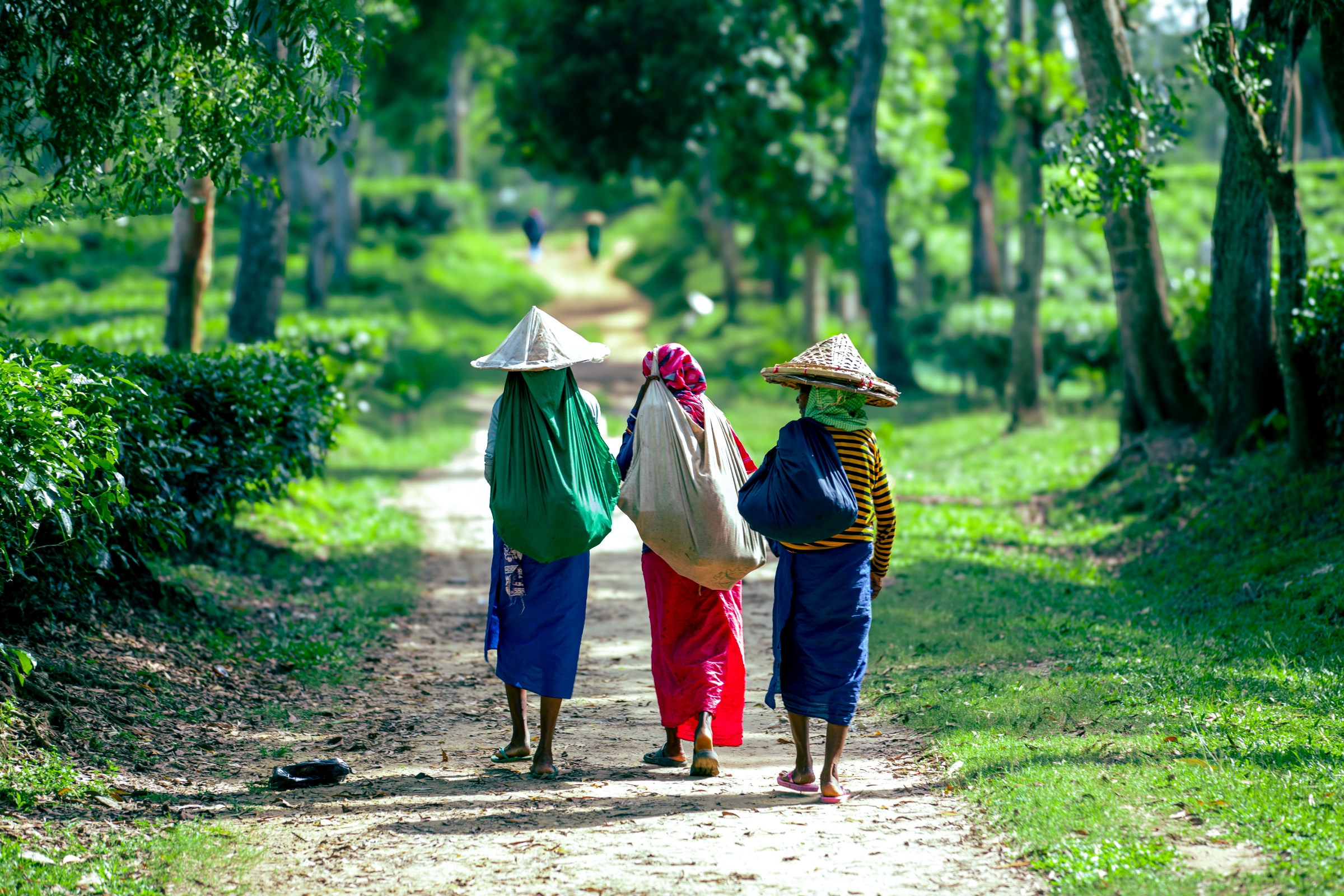
Sreemangal, located in Moulvibazar District of Sylhet Division, is widely recognized as the Tea Capital of Bangladesh. Its rolling hills, lush tea estates, and adjacent rainforests create one of the most picturesque landscapes in the country. This guide examines the topography, soil characteristics, tea cultivation details, and precise trail coordinates for visitors seeking an authentic eco-tourism experience.
Geographic and Topographic Overview
Sreemangal sits approximately 190–200 km northeast of Dhaka at an average elevation of 20–50 meters above sea level. The terrain consists of undulating hills and valleys shaped by the region’s subtropical climate and heavy monsoon rainfall (often exceeding 2,500–4,000 mm annually).
The landscape features:
- Terraced tea plantations covering rolling slopes
- Patches of tropical semi-evergreen forest
- Wetlands and small lakes (such as Madhabpur Lake)
- Indigenous village settlements interspersed among the estates
This topography supports diverse microclimates — misty mornings, warm days, and cooler evenings — ideal for tea cultivation and biodiversity.
Soil Composition and Its Role in Tea Cultivation
Tea (Camellia sinensis) thrives in acidic, well-drained soils with high organic matter. In Sreemangal, the predominant soil types are loamy sand to sandy loam, with pH levels typically ranging from 4.3 to 4.8 (strongly acidic). This acidity is optimal for black tea production.
Key soil metrics from regional studies:
- pH: 4.3–4.8 (ideal range for nutrient availability)
- Organic matter: Around 1.2–1.5%
- Nitrogen: ~0.08%
- Phosphorus: 26–30 mg/kg
- Potassium: 0.25 meq/100g
- Sulphur: 0.51 meq/100g
The British colonial planters in the 1850s recognized these conditions — heavy rainfall, acidic loamy soils, and year-round warmth — as perfect for tea. Today, over 160 tea estates operate in the Sreemangal region, producing a significant portion of Bangladesh’s total tea output. Shade trees (such as various leguminous species) are planted to regulate soil temperature, prevent erosion, and enhance fertility.
Major Tea Varieties Grown in Sreemangal
The region specializes in high-quality black tea (orthodox and CTC varieties). Popular cultivars include:
- Assamica clones — dominant due to their suitability for the local climate
- China-type hybrids — used for finer aromatic teas
- Specialty varieties used in layered tea preparations
The famous Seven-Layer Tea (a visual specialty served at places like Nilkantha Tea Cabin) demonstrates how different densities and brewing techniques create distinct color bands from the same local leaves.
Tea plucking occurs year-round, with peak seasons during the first and second flushes (March–May and June–August), when tender leaves yield the best flavor.
Lowacherra National Park: Biodiversity and Forest Trails
Located just 8 km east of Sreemangal, Lowacherra (Lawachara) National Park is a 1,250-hectare protected tropical rainforest. It represents one of Bangladesh’s last remaining semi-evergreen forests.
Key biodiversity statistics:
- Over 460 species of wildlife recorded
- Bird species: 260–315 (including rare ones like the great white-bellied heron)
- Mammals: Hoolock gibbons (Bangladesh’s only ape), capped langurs, slow loris, spotted deer, wild boar
- Reptiles and amphibians: Pythons, various snakes, and lizards
The park’s trails wind through dense bamboo groves, orchids, and ancient trees, offering excellent opportunities for birdwatching and primate spotting.
Indigenous Khasi Villages and Cultural Trails
Scattered among the tea estates are several Khasi indigenous villages. The Khasi community follows a matrilineal system and is known for betel leaf cultivation and traditional weaving.
Popular trails include paths connecting tea gardens with Khasi settlements, providing insights into sustainable farming and local lifestyles. These routes combine natural beauty with cultural immersion.
Precise Trail Coordinates and Navigation Tips
Here are key GPS pin-drops for offline use (approximate WGS84 coordinates):
- Lawachara National Park Main Entrance: 24.333°N, 91.783°E
- Khasi Village Trailhead (near Lawachara): 24.320°N, 91.790°E
- Madhabpur Lake (Lotus Lake): 24.250°N, 91.750°E
- Tea Research Institute Area: 24.300°N, 91.720°E
- Nilkantha Tea Cabin (Seven-Layer Tea): 24.310°N, 91.725°E
Recommended multi-day itinerary:
- Day 1: Tea estate walks and village visits
- Day 2: Full-day Lawachara trek + birdwatching
- Day 3: Lake exploration and rubber/pineapple gardens
Use offline Google Maps files with these pins for reliable navigation. Early morning and late afternoon provide best lighting and wildlife activity.
Practical Travel Information for Sreemangal
- Best time to visit: October–March (cooler, drier weather)
- Access: Train from Dhaka (scenic 5–7 hour journey) or bus via Sylhet
- Accommodation: Eco-resorts, tea garden bungalows, and budget guesthouses
- Activities: Cycling through plantations, guided forest hikes, tea factory tours
Sonar Bangla Tour Sreemangal Packages
Sonar Bangla Tour offers responsible Sreemangal tours focused on eco-tourism, photography, and cultural exchange. Our packages include:
- Guided visits to tea estates and Lawachara National Park
- Interactions with Khasi communities
- Expert local guides familiar with trail networks
- Emphasis on low-impact travel and community benefits
These journeys combine relaxation in nature with meaningful cultural connections.
Why Sreemangal Represents Responsible Tourism
Sreemangal showcases the perfect balance between agricultural productivity, biodiversity conservation, and cultural preservation. By choosing guided, community-aware tours, visitors support local economies while helping protect the fragile hill ecosystems and indigenous traditions.