Civil Permits and Trail Layouts of the Chittagong Hill Tracts

The Chittagong Hill Tracts (CHT) in southeastern Bangladesh represent a unique ecological and cultural region distinct from the rest of the country. Comprising the districts of Bandarban, Rangamati, and Khagrachhari, this hilly area is home to diverse indigenous communities and stunning natural landscapes. This guide details the regulatory requirements, permit processes, geography of key areas like Kaptai Lake, and responsible trail access for visitors. Geographic Overview of the Chittagong Hill Tracts The CHT covers approximately 13,189 square kilometers of rugged terrain with elevations ranging from 300 to over 1,000 meters. Unlike the flat delta plains of Bangladesh, the region features steep hills, deep valleys, and dense forests. Major geographic features: The region’s subtropical climate supports rich biodiversity, including bamboo forests, wildlife, and unique flora. However, its sensitive geopolitical history requires strict administrative oversight. Administrative Structure and Local Hill Councils The Chittagong Hill Tracts are governed under a special administrative framework established by the 1997 Peace Accord. Three Hill District Councils (Bandarban, Rangamati, and Khagrachhari) hold significant authority alongside the Regional Council. Key regulatory distinctions: All visitors, especially foreigners, must obtain specific permits before entering restricted zones. Civil Permit Requirements for International and Domestic Visitors For Foreign Tourists: For Domestic Visitors: Permits are generally processed in Dhaka or Chittagong, and it is highly recommended to work with licensed tour operators like Sonar Bangla Tour to streamline the process. Trail Layouts and Responsible Access Routes The CHT offers numerous hiking and cultural trails, but access is controlled to protect both the environment and local communities. Popular Trails and Zones: Key Guidelines for Trail Use: Kaptai Lake serves as a central navigation hub. Boat services connect various points, offering scenic views while adhering to lake authority regulations. Environmental and Cultural Sensitivity Considerations The region’s ecology is fragile. Visitors are expected to follow low-impact practices: The hill councils emphasize sustainable tourism that benefits indigenous communities directly. Seasonal and Practical Travel Information Always check current security advisories and permit status before travel, as regulations can be updated. Sonar Bangla Tour Support in the Chittagong Hill Tracts Sonar Bangla Tour is experienced in organizing responsible visits to the Chittagong Hill Tracts. Our services include: We provide safe, informative, and culturally rich experiences while ensuring full regulatory compliance. Importance of Regulated Tourism in the Hill Tracts Controlled access through proper permits helps maintain peace, security, and ecological balance in this unique region. It also ensures that tourism revenue supports local development and cultural preservation. Responsible visitors contribute positively to the sustainability of one of Bangladesh’s most beautiful yet sensitive areas. Understanding and following the civil permit system and trail regulations allows travelers to experience the extraordinary natural beauty and cultural richness of the Chittagong Hill Tracts in a respectful and meaningful way.
Ritual Mechanics of Rural Charak Puja Festivals in Bangladesh

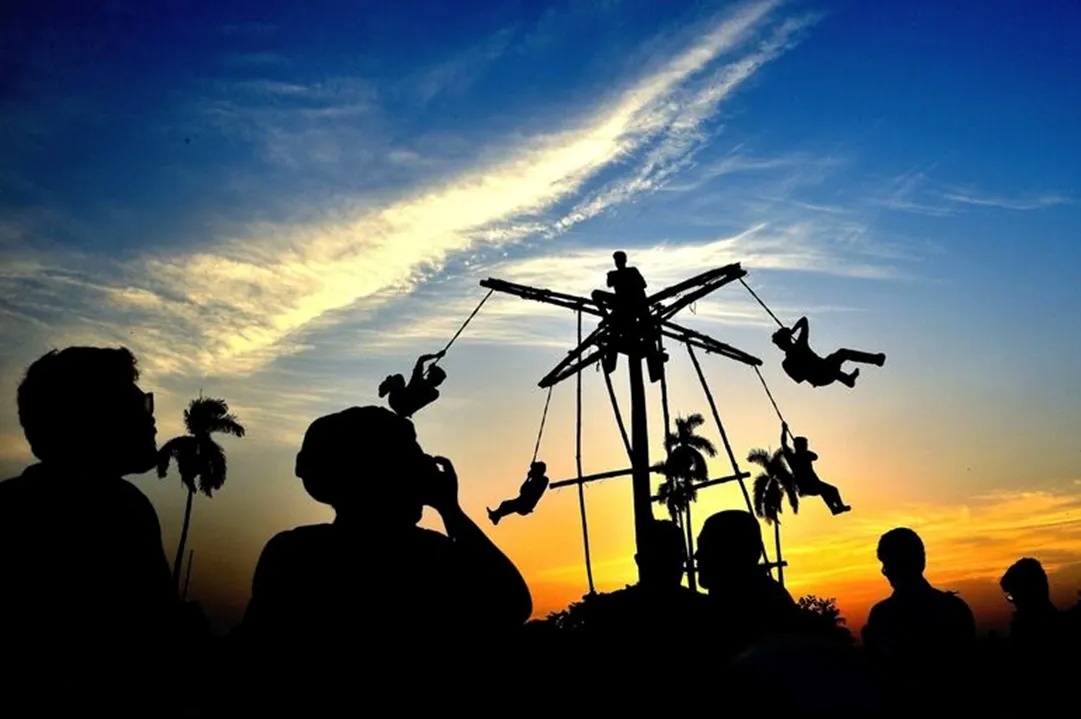
Charak Puja is a traditional Hindu folk festival celebrated in rural districts of Bangladesh, particularly in the Khulna, Jessore, and adjacent regions. Observed during the Bengali month of Chaitra (March–April), the festival involves intense physical rituals, including hook-swinging, that demonstrate devotion, endurance, and community participation. This article examines the historical roots, ritual mechanics, and cultural significance of Charak Puja. Historical Roots of Charak Puja Charak Puja has ancient origins linked to the worship of Lord Shiva (as well as regional folk deities). The festival is believed to have evolved from pre-Vedic and Tantric traditions that emphasize physical austerity and symbolic sacrifice for communal well-being and agricultural prosperity. In Bengal, the tradition gained prominence during the medieval period and continued as a rural folk practice even after major religious shifts. It represents a synthesis of classical Hindu Shaivism with local indigenous beliefs. Historical accounts from colonial ethnographers document the festival’s prevalence in the southwestern districts of what is now Bangladesh. The name “Charak” derives from the Sanskrit term for the wheel or the act of swinging, referring to the central ritual of devotees being suspended from hooks. Geographic Concentration in Rural Bangladesh The most vibrant celebrations occur in rural areas of Khulna Division, Jessore, Satkhira, and parts of Faridpur. These regions have strong agricultural communities where the festival is tied to the end of the harvesting season and the beginning of the new agricultural cycle. Village temples, open fields, and temporary festival grounds serve as primary venues. The timing coincides with the Bengali New Year period, creating a confluence of renewal themes across Hindu traditions in Bangladesh. Physical Rituals and Swinging Hook Mechanics The most striking element of Charak Puja is the Charak Swing or hook-swinging ritual. Mechanics of the Ritual: The hooks are typically inserted by experienced practitioners using traditional methods to minimize injury. Devotees often enter a trance-like state through chanting, drumming, and spiritual preparation. The ritual symbolizes surrender to the divine and the bearing of community burdens. Preparation and Supporting Rituals Before the main swinging event, several preparatory rituals take place: The entire festival spans several days, with the climax usually occurring on the last day of Chaitra. Community and Cultural Significance Charak Puja serves multiple social functions: Women play important supportive roles in organizing, preparing ritual items, and maintaining devotional atmosphere, even though the most physically demanding acts are traditionally performed by men. Safety, Evolution, and Modern Practices In contemporary times, safety measures have been introduced: Some communities have replaced actual hook-swinging with symbolic acts or lighter performances while retaining the core devotional spirit. Local administrations and cultural organizations work to document and preserve the festival as intangible cultural heritage. Festival Calendar and Regional Variations Charak Puja dates follow the lunar calendar, typically falling in mid-to-late April. In 2026, major celebrations in Khulna and Jessore regions are expected around April 13–15, aligning closely with Pohela Boishakh. Variations exist between villages — some emphasize music and dance, while others focus on the physical austerity rituals. Neighboring districts may incorporate elements from local folk deities alongside Shiva worship. Sonar Bangla Tour Cultural Festival Experiences Sonar Bangla Tour offers responsible access to selected rural Charak Puja celebrations as part of specialized cultural and photography tours. Our approach includes: These experiences provide rare insights into living folk traditions that are seldom seen by mainstream tourists. Broader Context in Bangladeshi Folk Traditions Charak Puja stands alongside other rural festivals like Gaajan and various Shaivite observances as a testament to the resilience of folk Hinduism in Bangladesh. It highlights the country’s rich tapestry of syncretic religious practices where classical traditions merge with local customs. The physical intensity of the rituals reflects deeper philosophical concepts of body, devotion, and transcendence. Documenting and understanding these mechanics helps preserve an important aspect of Bangladesh’s intangible cultural heritage for future generations.

Telecommunications and Civil Regulations for International Visitors in Bangladesh

International travelers to Bangladesh need accurate information on telecommunications infrastructure and civil regulations to ensure a smooth visit. This guide covers mobile network technical specifications, visa and passport requirements, airport procedures, and key legal considerations for foreigners. Mobile Network Infrastructure and Technical Frequencies Bangladesh has a robust and competitive mobile telecommunications sector with nationwide coverage. The three major operators are Grameenphone, Robi, and Banglalink. Technical Frequency Bands: Practical Advice for Travelers: Signal strength can weaken in remote rural areas, the Sundarbans, or Chittagong Hill Tracts, so carrying a power bank is recommended. Visa and Passport Registration Requirements Bangladesh offers multiple visa options for tourists. E-Visa System: Passport Requirements: Registration Obligations: Failure to comply with registration can result in fines or complications during departure. Currency Exchange and Financial Regulations at Hazrat Shahjalal International Airport Hazrat Shahjalal International Airport (DAC) in Dhaka is the main entry point for most international visitors. Currency Exchange Parameters: Declaration Rules: Digital payment options are expanding rapidly, but carrying some USD cash remains advisable for smaller transactions in rural areas. Other Important Civil and Travel Regulations Emergency Contacts and Support Systems Sonar Bangla Tour Support for International Visitors Since 2012, Sonar Bangla Tour has specialized in assisting international travelers with logistics, regulatory compliance, and cultural navigation across Bangladesh. Our services include: We ensure all tours comply with current civil regulations while maximizing visitor experience and safety. Best Practices for International Travelers Staying informed about regulations helps prevent unnecessary complications and allows travelers to focus on enjoying Bangladesh’s rich cultural and natural heritage. Understanding the telecommunications setup and civil framework empowers visitors to navigate the country confidently and responsibly.

Geographic Variations in Bengali Culinary Preparations

Bengali cuisine reflects the geography, climate, and cultural history of Bangladesh. From the coastal regions to the hilly northeast and the urban centers, each area has developed distinct cooking styles shaped by local ingredients, spices, and traditions. This article analyzes the chemical flavor profiles and key ingredients of three signature regional dishes: Chittagong Mezban beef, Sylhet Shatkora curry, and Old Dhaka Bakarkhani. Influence of Geography on Bengali Food Bangladesh’s riverine delta, coastal belt, and hilly terrain create diverse microclimates and ingredient availability. Coastal areas emphasize seafood and bold spices, while inland and northern regions favor milder, aromatic preparations using local citrus and dairy. Urban centers like Old Dhaka blend Mughal influences with street-food techniques. These geographic factors drive variations in spice balances, cooking methods, and flavor chemistry. Chittagong Mezban Beef: Bold Coastal Flavors Mezban is a traditional feast dish from the Chittagong region, particularly popular during weddings and religious celebrations. It features slow-cooked beef in a rich, aromatic gravy. Key Ingredients and Flavor Profile: Chemical Aspects: The combination creates a complex Maillard reaction during slow cooking, producing deep savory (umami) flavors. Piperine from black pepper enhances bioavailability of other compounds, while mustard oil’s allyl isothiocyanate gives the characteristic sharp bite. The dish balances heat, richness, and aroma, reflecting the bold, spicy preferences of Chittagong’s coastal and port-influenced culture. Mezban is typically served with rice or pulao and is known for feeding large gatherings, showcasing communal hospitality. Sylhet Shatkora Curry: Citrus-Driven Highland Cuisine Shatkora (Citrus macroptera) is a unique, bitter citrus fruit native to the Sylhet region. It is the star ingredient in a signature beef or mutton curry that defines Sylheti cuisine. Key Ingredients and Preparation: Flavor Chemistry: Shatkora’s bitter limonoids and citric acid create a distinctive sour-bitter balance that cuts through the richness of the meat. This contrasts with sweeter curries common elsewhere. The highland climate of Sylhet supports citrus cultivation, making Shatkora a readily available local ingredient. The resulting curry has bright, tangy notes layered with earthy spices, typical of Sylhet’s tea-garden and indigenous-influenced food culture. This dish is often prepared during winter when Shatkora is in season and pairs well with steamed rice or pitha (rice cakes). Old Dhaka Bakarkhani: Mughal-Inspired Baked Bread Bakarkhani is a layered, flaky flatbread originating from Old Dhaka with strong Mughal influences. It is a popular street food and breakfast item. Key Ingredients and Technique: Flavor and Texture Profile: The slow baking process creates a crisp exterior with soft, flaky interior layers. Caramelization of sugars produces subtle sweetness, while aromatic spices add fragrance. This contrasts with simpler flatbreads found in rural areas. Bakarkhani reflects the sophisticated urban palate of historic Dhaka, influenced by Persian and Central Asian culinary traditions via the Mughal court. It is commonly paired with tea, korma, or haleem in Old Dhaka’s famous food streets. Comparative Analysis of Regional Flavor Profiles These variations demonstrate how local ecology (coastal vs. hilly vs. urban riverine) and historical influences shape culinary chemistry across Bangladesh. Other Notable Regional Specialties Spice usage follows patterns: coastal areas use more chili and mustard, while northern and central regions emphasize cumin, turmeric, and aromatic whole spices. Traditional Cooking Methods and Ingredient Sourcing Many regional dishes rely on slow cooking in earthen pots (matir handi), which imparts unique earthy flavors. Freshness is emphasized — spices are often roasted and ground fresh, and ingredients sourced locally. Seasonal availability strongly influences menu variations throughout the year. Sonar Bangla Tour Culinary Experiences Sonar Bangla Tour incorporates authentic regional cuisine into many of its packages. Travelers can experience: These culinary journeys combine cultural immersion with geographic understanding of Bangladesh’s diverse food landscape. Cultural and Social Significance Food in Bangladesh is deeply tied to identity, festivals, and social bonds. Regional variations strengthen community pride while contributing to the national culinary tapestry. As interest in experiential travel grows, documenting and preserving these geographic flavor profiles becomes increasingly important for cultural heritage. Understanding these differences allows visitors to appreciate the rich tapestry of Bengali cuisine beyond generic perceptions.

Archaeological Taxonomy of North Bengal: Paharpur and Mahasthangarh

North Bengal, particularly the Rajshahi and Bogra regions, contains some of the most significant archaeological sites in Bangladesh. Two standout locations — Somapura Mahavihara at Paharpur and the ancient city of Mahasthangarh — represent major chapters in the history of Buddhism and early urban settlements in the Indian subcontinent. This article provides a detailed taxonomic and historical analysis of these sites. Geographic Context of North Bengal Archaeology North Bengal lies in the Barind Tract, an elevated Pleistocene terrace characterized by red clay soils. This region served as a strategic corridor between the Gangetic plains and the Brahmaputra valley, facilitating cultural and trade exchanges for over two millennia. The archaeological remains here span from the Mauryan period (3rd century BCE) through the Pala Empire (8th–12th century CE). Mahasthangarh: The Ancient Fortified City Location: Bogra District, approximately 10 km north of Bogra town. Period: From the 3rd century BCE to the 18th century CE. Mahasthangarh is one of the earliest urban centers in Bangladesh. The site is identified with ancient Pundranagara, the capital of the Pundra kingdom mentioned in early texts. Structural and Archaeological Features The site demonstrates continuous occupation for over 2,000 years, providing valuable stratigraphic data for understanding urban development in ancient Bengal. Somapura Mahavihara at Paharpur: UNESCO World Heritage Site Location: Naogaon District, about 40 km northwest of Bogra. Period: 8th century CE, established during the Pala Empire. Status: UNESCO World Heritage Site since 1985. Somapura Mahavihara is one of the largest and most important Buddhist monasteries in the Indian subcontinent. Architectural Taxonomy and Layout The architectural plan follows the classic Mahavihara model seen in other Pala sites like Nalanda and Vikramashila in India. Pala Empire Terracotta Plaques One of the most distinctive features of both sites is the abundance of terracotta plaques. These artifacts provide rich iconographic and narrative content: Hundreds of these plaques have been recovered from Paharpur, showcasing exceptional craftsmanship and storytelling ability. Mauryan Dynasty Inscriptions and Early Evidence Mahasthangarh has yielded important epigraphic evidence, including the Mahasthangarh Brahmi Inscription (one of the earliest in Bengal). These inscriptions, written in Brahmi script, provide insights into administration, taxation, and governance during the Mauryan influence in the region. The presence of such early inscriptions establishes North Bengal as an important administrative and cultural center even in the pre-Gupta period. Comparative Analysis of the Two Sites Aspect Mahasthangarh Paharpur Mahavihara Primary Period Mauryan to Medieval Pala Empire (8th–12th CE) Main Function Urban settlement & fort Buddhist monastic university Key Artifacts Coins, pottery, inscriptions Terracotta plaques, stupas Current Status Protected archaeological site UNESCO World Heritage Site Together, these sites illustrate the evolution of settlement patterns, religious institutions, and artistic traditions in ancient Bengal. Excavation History and Research Contributions Systematic excavations at Mahasthangarh began in the early 20th century under British archaeologists, with major work continuing after independence by the Department of Archaeology, Bangladesh. Paharpur was first excavated in the 1920s and has been the subject of extensive international research. These efforts have contributed significantly to understanding the spread of Buddhism, urban planning, and material culture in eastern India. Practical Visitor Information for North Bengal Guided tours with knowledgeable historians enhance understanding of the complex historical layers. Sonar Bangla Tour North Bengal Heritage Experiences Sonar Bangla Tour offers specialized heritage tours covering North Bengal’s archaeological treasures. Our itineraries include: These tours provide deep engagement with Bangladesh’s ancient history. Significance in Bangladesh’s Cultural Heritage Paharpur and Mahasthangarh represent the rich multicultural and multi-religious history of Bengal. They highlight the region’s role as a center of learning, trade, and spiritual development. Protecting and promoting these sites is essential for understanding Bangladesh’s historical identity and for future archaeological research.

River Infrastructure: Navigating Rocket Paddle Steamers and Launch Terminals

Bangladesh’s extensive river network has shaped its transportation system for centuries. Among the most iconic vessels are the century-old Rocket Paddle Steamers operated by the Bangladesh Inland Water Transport Corporation (BIWTC). This guide explores the history, mechanical specifications, navigation challenges, and practical information for traveling on these historic steamers, particularly the popular Dhaka to Barisal route. Historical Development of Paddle Steamers in Bangladesh The Rocket Steamers trace their origins to the British colonial period. The first paddle steamers were introduced in the mid-19th century to facilitate trade and passenger movement across the Bengal delta. The term “Rocket” originally referred to a specific class of fast steamers built in the early 20th century. After independence, BIWTC continued operating these vessels as a vital link between major river ports. Today, the remaining fleet represents a living heritage of river transportation in Bangladesh, blending historical engineering with modern safety standards. The steamers primarily operate on the Dhaka–Barisal–Khulna and other southern routes, serving both passengers and cargo while offering a unique travel experience through the heart of the riverine landscape. Mechanical Specifications of Rocket Paddle Steamers The Rocket vessels are distinctive for their paddle wheel propulsion system, which is well-suited to the shallow and shifting river channels of Bangladesh. Key technical features: The paddle wheels provide excellent maneuverability in narrow channels compared to propeller-driven boats, making them ideal for the complex river system. Major Routes and Terminals: Dhaka Sadarghat to Barisal Sadarghat in Dhaka is the primary departure point for southern river routes. The terminal is one of the busiest inland ports in the world, with constant activity of passenger launches, cargo vessels, and ferries. Typical Dhaka to Barisal Journey: The route passes through diverse riverine landscapes, including bustling market towns, agricultural fields, and expansive river confluences. Shifting Navigation Channels of the Meghna and Padma Rivers The Meghna and Padma rivers are highly dynamic due to heavy sediment load from the Himalayas. Channels shift frequently, creating challenges for navigation. Key characteristics: BIWTC captains and pilots undergo specialized training to handle these conditions. Routes may be adjusted seasonally to ensure safe passage. Other Important River Terminals and Infrastructure Major terminals along the network include: Modernization efforts include improved passenger waiting areas, safety equipment, and digital ticketing systems at major terminals. Practical Travel Information for River Journeys Travelers should consider: The overnight journey provides a peaceful way to experience rural Bangladesh, with opportunities to observe river life, fishing boats, and sunset/sunrise over the water. Sonar Bangla Tour River Experience Sonar Bangla Tour incorporates Rocket Paddle Steamer journeys and other river transport options into customized tours. Our packages offer: Traveling by paddle steamer adds a memorable dimension to any Bangladesh itinerary. Challenges and Future of River Transport The river transport sector faces challenges including siltation, competition from road infrastructure, and the need for fleet modernization. However, these historic vessels remain essential for connectivity in remote riverine areas and hold strong potential for heritage tourism. Ongoing government initiatives focus on dredging, safety improvements, and sustainable operations to preserve this unique mode of transport. Cultural and Economic Significance River steamers play an important role in connecting communities, supporting local economies, and preserving maritime heritage. For many Bangladeshis, traveling by launch or steamer remains an integral part of cultural identity and practical mobility. The experience of sailing through the world’s largest delta offers travelers a profound connection with the geography and people of Bangladesh.

Ethno-Photography Mapping of the Ras Leela Festival in Kamalganj

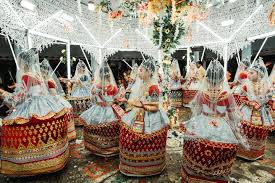
The Ras Leela Festival in Kamalganj, Moulvibazar District, represents one of the most significant cultural and religious events of the Manipuri indigenous community in Bangladesh. This sacred dance-drama celebrates the divine love between Radha and Krishna through classical Manipuri dance forms. This guide provides a detailed ethno-photographic mapping of the festival, including historical context, ritual elements, costume details, and documentation approaches. Historical Background of Ras Leela in Bangladesh The Manipuri people, also known as Meitei, migrated to the Sylhet region of Bangladesh centuries ago. They brought with them the rich tradition of Ras Leela, a devotional performance art that originated in Manipur, India, in the 18th century under the patronage of King Bhagyachandra. In Bangladesh, the Ras Leela is primarily performed in Manipuri settlements in Kamalganj and adjacent areas of Moulvibazar. The festival is deeply rooted in Vaishnavism and serves as both a religious observance and a community cultural expression. It typically takes place during the full moon period of the Manipuri month of Kartik (corresponding to October–November in the Gregorian calendar). The performance reenacts episodes from the life of Lord Krishna, particularly his playful interactions with Radha and the gopis (cowherd maidens), symbolizing spiritual devotion and divine love. Geographic and Community Context of Kamalganj Kamalganj Upazila in Moulvibazar is home to a significant Manipuri population. The festival is centered around local temples and community grounds, where temporary stages (mandaps) are constructed for the performances. The surrounding landscape of tea gardens, wetlands, and rural settlements provides a natural backdrop that enhances the visual storytelling of the Ras Leela. Photographers can capture the interplay between traditional performances and the lush green environment characteristic of the Sylhet Division. Sacred Dance Rituals and Performance Structure The Ras Leela unfolds as a structured sequence of dance performances: Each dance follows strict classical Manipuri choreography, accompanied by traditional music using instruments such as the pung (drum), pena (string instrument), and cymbals. The performances emphasize fluid movements, graceful hand gestures (mudras), and expressive facial emotions. Traditional Costume Design and Visual Elements Manipuri costumes for Ras Leela are highly elaborate and photogenic: For Female Dancers (Radha and Gopis): For Male Dancers (Krishna and Others): The color palette — predominantly greens, yellows, reds, and golds — creates strong visual contrast against the natural setting. Costumes are handmade using traditional weaving techniques passed down through generations. Ethno-Photography Techniques for Ras Leela Capturing the festival respectfully requires specific approaches: The festival offers excellent opportunities for documentary-style photography that highlights both artistic beauty and cultural authenticity. Annual Calendar and Timing Considerations The Ras Leela is usually performed over several days around the full moon. In 2026–2027, key dates typically fall in late October to mid-November. Exact schedules depend on the lunar calendar and local temple announcements. Multiple villages in Kamalganj may host performances, allowing photographers to plan multi-day visits. Sonar Bangla Tour Cultural Photography Experiences Sonar Bangla Tour organizes specialized ethno-photography tours to the Ras Leela Festival in Kamalganj. Our guided programs include: These tours combine technical photography guidance with deeper cultural immersion, supporting the preservation of Manipuri heritage. Significance of Ras Leela in Contemporary Bangladesh The Ras Leela Festival serves as a vital link to Manipuri identity in Bangladesh. It preserves classical dance forms, traditional craftsmanship, and spiritual values amid modernization. The event also fosters inter-community harmony, attracting visitors from different backgrounds who appreciate its artistic and devotional qualities. Documentation through responsible photography helps archive these living traditions for future generations while contributing to cultural tourism. Challenges and Preservation Efforts The community faces challenges such as maintaining traditional knowledge among younger generations and managing external influences. Local organizations and cultural groups work to sustain the authenticity of the Ras Leela through training programs and festival organization. Responsible visitors and photographers play a supportive role by following community guidelines and contributing to local economies through ethical tourism.

Cox’s Bazar to Teknaf Marine Drive: Asphalt Topography and Coastal Geomorphology

The Cox’s Bazar to Teknaf Marine Drive is one of the most scenic coastal roads in Bangladesh. Stretching approximately 80 kilometers along the Bay of Bengal, this route connects the world’s longest natural sea beach with the southern town of Teknaf. This guide examines the road’s asphalt characteristics, coastal geomorphology, key geological features, and practical travel information. Geographic Overview of the Marine Drive The Marine Drive runs parallel to the coastline from Cox’s Bazar town southward to Teknaf, near the Myanmar border. The road mostly follows a narrow strip between the Bay of Bengal on the western side and hills or settlements on the eastern side. Key route segments: The drive offers continuous views of the sea, with varying topography — sandy beaches, rocky cliffs, and mangrove patches near Teknaf. Asphalt Topography and Road Engineering The Marine Drive is a two-lane asphalt road constructed and upgraded in phases. The pavement consists primarily of bituminous macadam with asphalt concrete surfacing designed to withstand coastal conditions, including high humidity, salt spray, and monsoon rains. Engineering considerations: Regular maintenance is required due to wave undercutting and occasional storm damage. The road surface quality is generally good during the dry season (November–March), but travelers should exercise caution during monsoon months (June–September). Coastal Geomorphology and Cliff Erosion at Himchari Himchari National Park marks a significant geological transition along the route. The area features steep cliffs rising directly from the sea, formed by tectonic activity and long-term wave erosion. Erosion metrics: Himchari’s waterfall and hilltop views make it a popular stop. The park also protects coastal forest ecosystems that buffer against erosion. Marine Life Distribution at Inani Beach Inani Beach, located roughly midway along the drive, is renowned for its coral-like rock formations and clear waters. Unlike the long sandy stretch of Cox’s Bazar, Inani features more rocky outcrops and tidal pools. Marine biodiversity highlights: The beach’s unique geomorphology — with rock pools and wave-cut platforms — supports a different ecosystem compared to the sandy beaches further north. Conservation efforts focus on protecting these habitats from plastic pollution and unregulated fishing. Other Notable Coastal Features Along the Route The entire coastline is dynamic, shaped by the strong tidal forces of the Bay of Bengal and sediment transport from major rivers. Practical Driving and Travel Information Best time to drive: November to March for clear weather and optimal road conditions. Driving duration: 2.5 to 4 hours one way, depending on stops and traffic. Key considerations: Public buses and shared jeeps also operate along sections of the route, offering budget-friendly alternatives to private transport. Sonar Bangla Tour Experiences on the Marine Drive Sonar Bangla Tour includes the Marine Drive in many Cox’s Bazar tour packages. Our guided trips provide: These experiences allow travelers to appreciate both the scenic beauty and the geological significance of this unique coastal corridor. Environmental Challenges and Conservation The Marine Drive corridor faces pressures from increasing tourism, coastal erosion, and climate change impacts such as sea level rise. Sustainable practices — including regulated development, waste management, and protection of natural buffers — are essential for preserving this landscape for future generations. The route serves as an excellent case study of the interaction between human infrastructure and dynamic coastal processes in Bangladesh.

Pohela Boishakh Geography: Dhaka University and Ramna Park Event Tracking

Pohela Boishakh, the first day of the Bengali New Year, is one of the most vibrant cultural celebrations in Bangladesh. Celebrated on April 14 every year, it marks the beginning of the Bangla calendar (currently 1433 BS in 2026). This article provides a detailed geographical and historical analysis of the main celebrations centered around Dhaka University and Ramna Park. Historical Timeline of Pohela Boishakh and Mongol Shobhajatra The tradition of Pohela Boishakh dates back to the Mughal period when Emperor Akbar introduced the Bengali calendar for revenue collection in 1584. However, the modern public celebration gained momentum in the 20th century, particularly after the Language Movement and Bangladesh’s independence. Key historical milestones: The procession has since become the centerpiece of Pohela Boishakh celebrations in Dhaka, symbolizing hope, renewal, and resistance against oppression. Geographic Focus: Dhaka University Campus and Faculty of Fine Arts The Faculty of Fine Arts (Charukala Institute) at Dhaka University serves as the starting point and organizational hub for the main Mongol Shobhajatra. Located in the heart of Dhaka, the campus provides a central geographic anchor for the festival. Campus layout highlights: The Faculty of Fine Arts has historically played a leadership role in designing masks, floats, and artistic elements that reflect Bengali folklore, rural life, and contemporary social messages. Ramna Park: The Main Venue for Public Celebrations Ramna Park (also known as Ramna Green), adjacent to Dhaka University, is the primary public space for Pohela Boishakh festivities. Spanning approximately 76 acres, it transforms into a massive cultural fairground on April 14. Geographic features of Ramna Park: The park hosts traditional music performances (baul, folk, and classical), dance shows, food stalls, and art exhibitions throughout the day. Traditional Parade Routes and Event Mapping The Mongol Shobhajatra follows a well-established route: Typical timeline on Pohela Boishakh: Police and organizers establish safety checkpoints, first-aid stations, and designated zones for different activities to manage the massive crowds (often exceeding several hundred thousand people). Cultural Significance and Artistic Elements The Mongol Shobhajatra features giant masks, puppets, and floats depicting Bengali rural life, mythological stories, and contemporary themes such as climate change, harmony, and unity. Participants wear traditional red-and-white clothing, reflecting the colors of the Bengali New Year. The event serves as a powerful expression of Bengali identity, transcending religious and political boundaries. It brings together people from all walks of life in a celebration of renewal and hope. Practical Visitor Information for 2026 Sonar Bangla Tour Pohela Boishakh Experiences Sonar Bangla Tour offers guided cultural experiences during Pohela Boishakh. Our tours provide: These journeys allow both domestic and international visitors to participate meaningfully in one of Bangladesh’s most important cultural events. Broader Impact on Bangladeshi Culture Pohela Boishakh has evolved from a regional observance into a national symbol of unity and cultural pride. The geographic concentration of activities around Dhaka University and Ramna Park highlights the central role of educational and public institutions in preserving intangible cultural heritage. The event continues to adapt while maintaining its core values of joy, creativity, and communal harmony. As Bangladesh urbanizes, such festivals play a crucial role in connecting modern city life with traditional roots.

Environmental Metrics for Low-Impact Travel in Bangladesh

Bangladesh’s diverse ecosystems and rural communities face increasing pressure from tourism development and climate change. Community-based tourism offers a framework that balances visitor access with measurable environmental protection and local economic benefits. This article examines key performance metrics and practical frameworks for low-impact travel across rural villages. Community-Based Tourism Frameworks in Rural Bangladesh Community-based tourism (CBT) models involve local residents in planning, operation, and benefit-sharing. In Bangladesh, these frameworks are active in regions such as the Sundarbans buffer zones, Sylhet tea estates, and northern riverine villages. Core principles include: Government and NGO-supported programs have established guidelines emphasizing environmental carrying capacity and cultural preservation. Measurable Metrics for Plastic Reduction Plastic pollution poses a significant threat to Bangladesh’s rivers, mangroves, and coastal areas. Responsible tourism programs track specific reduction targets: Tour operators and villages implement refill stations, cloth bags, and biodegradable alternatives to achieve these metrics. Local Economic Retention Rates One of the primary goals of responsible tourism is maximizing the percentage of tourist spending that remains in the local economy. Typical retention benchmarks: In practice, this is achieved through: Studies in rural Bangladesh show that villages participating in CBT programs often experience 30–50% higher household income from tourism compared to non-participating areas. Carbon Offset Calculations for River Transport River-based travel is a common mode in Bangladesh. Calculating and offsetting carbon emissions helps minimize the climate impact of tours. Key emission factors: Sample calculation for a 3-day Sundarbans river cruise (average 150 km): Many operators now include carbon offset contributions as part of the package, supporting local reforestation and renewable energy initiatives. Ethical Code of Conduct for Village Stays A standardized code of conduct helps maintain respect and sustainability during village tourism: These guidelines are often formalized in agreements between tour operators and village committees. Implementation Challenges and Success Factors Challenges include limited infrastructure, seasonal flooding, and balancing tourism income with traditional livelihoods. Success depends on: Sonar Bangla Tour Responsible Travel Practices Since 2012, Sonar Bangla Tour has implemented community-based approaches across its tours. We work directly with village cooperatives in Sreemangal, Sundarbans gateway areas, and heritage villages to ensure measurable benefits and minimal environmental impact. Our tours emphasize: Downloadable Resources Exclusive Assets from Sonar Bangla Tour: These practical tools are available via direct inquiry. The Future of Sustainable Tourism in Bangladesh As visitor numbers grow, adopting data-driven environmental metrics becomes essential for protecting natural assets and supporting communities. Low-impact travel models that prioritize measurable outcomes — plastic reduction, economic retention, and carbon management — help ensure that tourism contributes positively to conservation and development goals.