
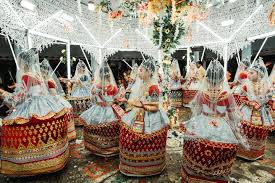
The Ras Leela Festival in Kamalganj, Moulvibazar District, represents one of the most significant cultural and religious events of the Manipuri indigenous community in Bangladesh. This sacred dance-drama celebrates the divine love between Radha and Krishna through classical Manipuri dance forms. This guide provides a detailed ethno-photographic mapping of the festival, including historical context, ritual elements, costume details, and documentation approaches.
Historical Background of Ras Leela in Bangladesh
The Manipuri people, also known as Meitei, migrated to the Sylhet region of Bangladesh centuries ago. They brought with them the rich tradition of Ras Leela, a devotional performance art that originated in Manipur, India, in the 18th century under the patronage of King Bhagyachandra.
In Bangladesh, the Ras Leela is primarily performed in Manipuri settlements in Kamalganj and adjacent areas of Moulvibazar. The festival is deeply rooted in Vaishnavism and serves as both a religious observance and a community cultural expression. It typically takes place during the full moon period of the Manipuri month of Kartik (corresponding to October–November in the Gregorian calendar).
The performance reenacts episodes from the life of Lord Krishna, particularly his playful interactions with Radha and the gopis (cowherd maidens), symbolizing spiritual devotion and divine love.
Geographic and Community Context of Kamalganj
Kamalganj Upazila in Moulvibazar is home to a significant Manipuri population. The festival is centered around local temples and community grounds, where temporary stages (mandaps) are constructed for the performances.
The surrounding landscape of tea gardens, wetlands, and rural settlements provides a natural backdrop that enhances the visual storytelling of the Ras Leela. Photographers can capture the interplay between traditional performances and the lush green environment characteristic of the Sylhet Division.
Sacred Dance Rituals and Performance Structure
The Ras Leela unfolds as a structured sequence of dance performances:
- Guru Vandana: Opening invocation honoring the spiritual teacher.
- Radha-Krishna Entry: Processional dances introducing the main characters.
- Main Ras Sequences: Various episodes depicting Krishna’s leelas (divine plays), including the Maha Ras, Kunja Ras, and Basanta Ras.
- Climax and Conclusion: Culminating in unified devotional dances.
Each dance follows strict classical Manipuri choreography, accompanied by traditional music using instruments such as the pung (drum), pena (string instrument), and cymbals. The performances emphasize fluid movements, graceful hand gestures (mudras), and expressive facial emotions.
Traditional Costume Design and Visual Elements
Manipuri costumes for Ras Leela are highly elaborate and photogenic:
For Female Dancers (Radha and Gopis):
- Rich silk skirts (phanek) in vibrant colors with intricate embroidery.
- Blouses paired with transparent veils (chaddar).
- Ornate jewelry including necklaces, earrings, and flower adornments.
- Conch shell or decorative headpieces.
For Male Dancers (Krishna and Others):
- Dhoti-style lower garments with decorative turbans (pheijom).
- Crowns (mukut) adorned with peacock feathers for Krishna.
- Ornate jewelry and sacred thread (poita).
The color palette — predominantly greens, yellows, reds, and golds — creates strong visual contrast against the natural setting. Costumes are handmade using traditional weaving techniques passed down through generations.
Ethno-Photography Techniques for Ras Leela
Capturing the festival respectfully requires specific approaches:
- Lighting Conditions: Daytime performances offer natural light, while evening shows may require low-light techniques.
- Composition Strategies: Use wide-angle lenses for group choreography and telephoto lenses for intimate facial expressions and mudras.
- Cultural Sensitivity: Maintain appropriate distance during sacred moments, seek permission from community leaders, and avoid flash photography.
- Narrative Sequencing: Document the progression from preparations to climax to create a complete visual story.
The festival offers excellent opportunities for documentary-style photography that highlights both artistic beauty and cultural authenticity.
Annual Calendar and Timing Considerations
The Ras Leela is usually performed over several days around the full moon. In 2026–2027, key dates typically fall in late October to mid-November. Exact schedules depend on the lunar calendar and local temple announcements. Multiple villages in Kamalganj may host performances, allowing photographers to plan multi-day visits.
Sonar Bangla Tour Cultural Photography Experiences
Sonar Bangla Tour organizes specialized ethno-photography tours to the Ras Leela Festival in Kamalganj. Our guided programs include:
- Coordination with local Manipuri community leaders
- Access to optimal viewing and photography positions
- Cultural briefings on the significance of rituals and customs
- Responsible tourism practices that respect the sacred nature of the event
These tours combine technical photography guidance with deeper cultural immersion, supporting the preservation of Manipuri heritage.
Significance of Ras Leela in Contemporary Bangladesh
The Ras Leela Festival serves as a vital link to Manipuri identity in Bangladesh. It preserves classical dance forms, traditional craftsmanship, and spiritual values amid modernization. The event also fosters inter-community harmony, attracting visitors from different backgrounds who appreciate its artistic and devotional qualities.
Documentation through responsible photography helps archive these living traditions for future generations while contributing to cultural tourism.
Challenges and Preservation Efforts
The community faces challenges such as maintaining traditional knowledge among younger generations and managing external influences. Local organizations and cultural groups work to sustain the authenticity of the Ras Leela through training programs and festival organization.
Responsible visitors and photographers play a supportive role by following community guidelines and contributing to local economies through ethical tourism.