7 Days | Bengali New Year • Rituals • Festivals • River Life • Industrial Culture
Pohela Boishakh Cultural Photography Tour
every journey is designed to create a positive impact. Since 2025, we’ve been practicing sustainable
tourism by collaborating with local families, supporting communities, and preserving cultural heritage
across Bangladesh. Your adventure isn’t just a trip—it’s a contribution to a better future.


- 7 Days
- Jan 18’ - Dec 21'
- Max People : 25
- Min Age : 12+
- Wifi Available
- Pickup: Airpot
- Overview
Pohela Boishakh, the Bengali New Year, is the most vibrant cultural celebration in Bangladesh—where art, ritual, music, agriculture, labour, colour, and community life come together. This 7-day Pohela Boishakh Cultural Photography Tour is designed as a deep cultural immersion, not a sightseeing trip. Guests will experience urban rituals, rural festivals, industrial labour life, river culture, and agricultural traditions, timed around the Bengali New Year. The tour is ideal for foreign photographers, cultural travellers, visual storytellers, and documentary enthusiasts.
- Tour Facts
- Duration: 7 Days / 6 Nights
- Dates: 12–18 April
- Location: Dhaka, Munshiganj, Brahmanbaria, Narayanganj
- Tour Type: Culture • Festival • Documentary Photography
- Availability: Once a year (Pohela Boishakh)
- Detailed Itinerary
Day 1 – 12 April | Old Dhaka: Market, Movement & Mughal Heritage
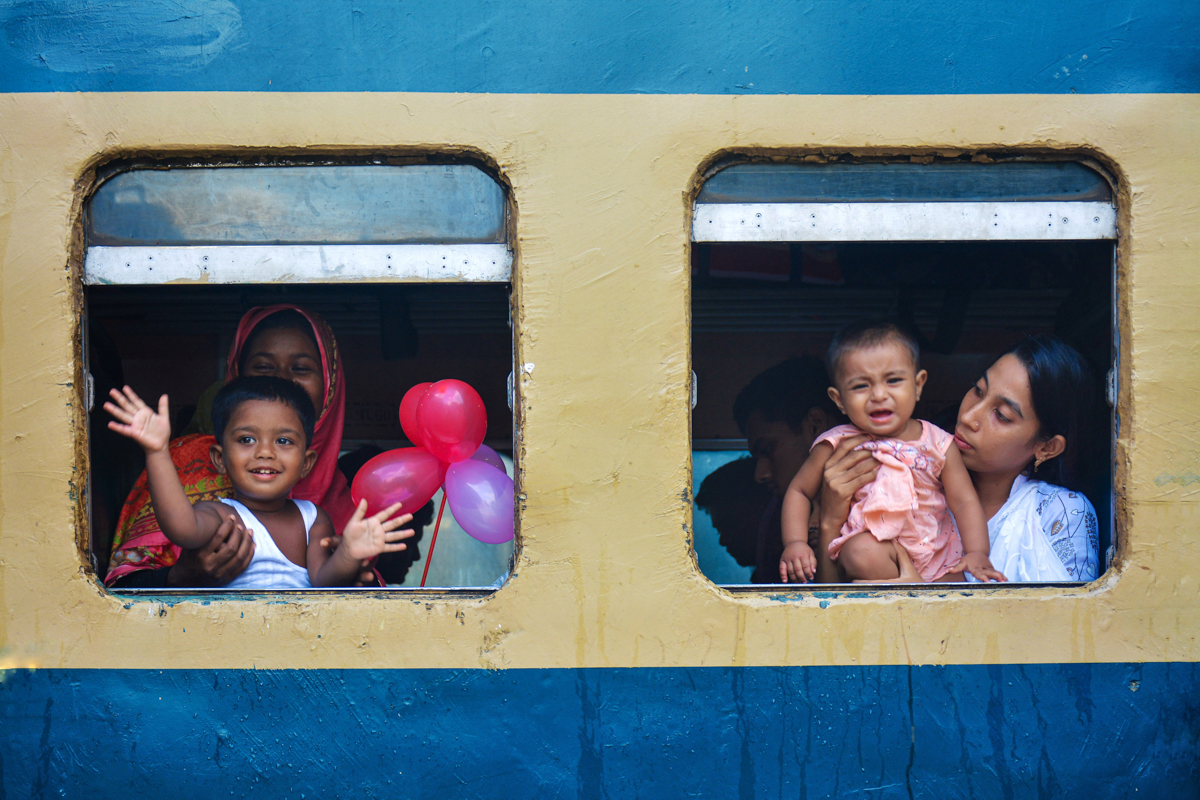
The journey begins by documenting everyday life before the festival atmosphere takes over. Karwan Bazar unfolds stories of labour, trade, and organized chaos. At Kamalapur Railway Station, human movement and fleeting emotions dominate the frames. The day concludes at Lalbagh Fort, where Mughal-era architecture stands in quiet contrast to the surrounding modern city.
Day 2 – 13 April | Munshiganj: Chaluk Puja & Lal Kach Festival
This day is dedicated to rare, community-based rituals deeply rooted in agrarian life. Chaluk Puja is performed for protection, harvest blessings, and spiritual well-being. The visually striking Lal Kach (Red Glass) Festival features participants carrying red glass objects, symbolizing the warding off of evil and the welcoming of prosperity before the New Year.
Day 3 – 14 April | Pohela Boishakh & Mangal Shobhajatra
Pohela Boishakh, the Bengali New Year, fills the streets with colour and celebration. The iconic Mangal Shobhajatra procession—created as a cultural resistance movement—features masks, animal motifs, and symbolic sculptures crafted by art students. Participants dressed in red and white sing traditional songs, creating a powerful visual expression of Bengali identity.
Day 4 – 15 April | Buriganga River & Shipyard Life
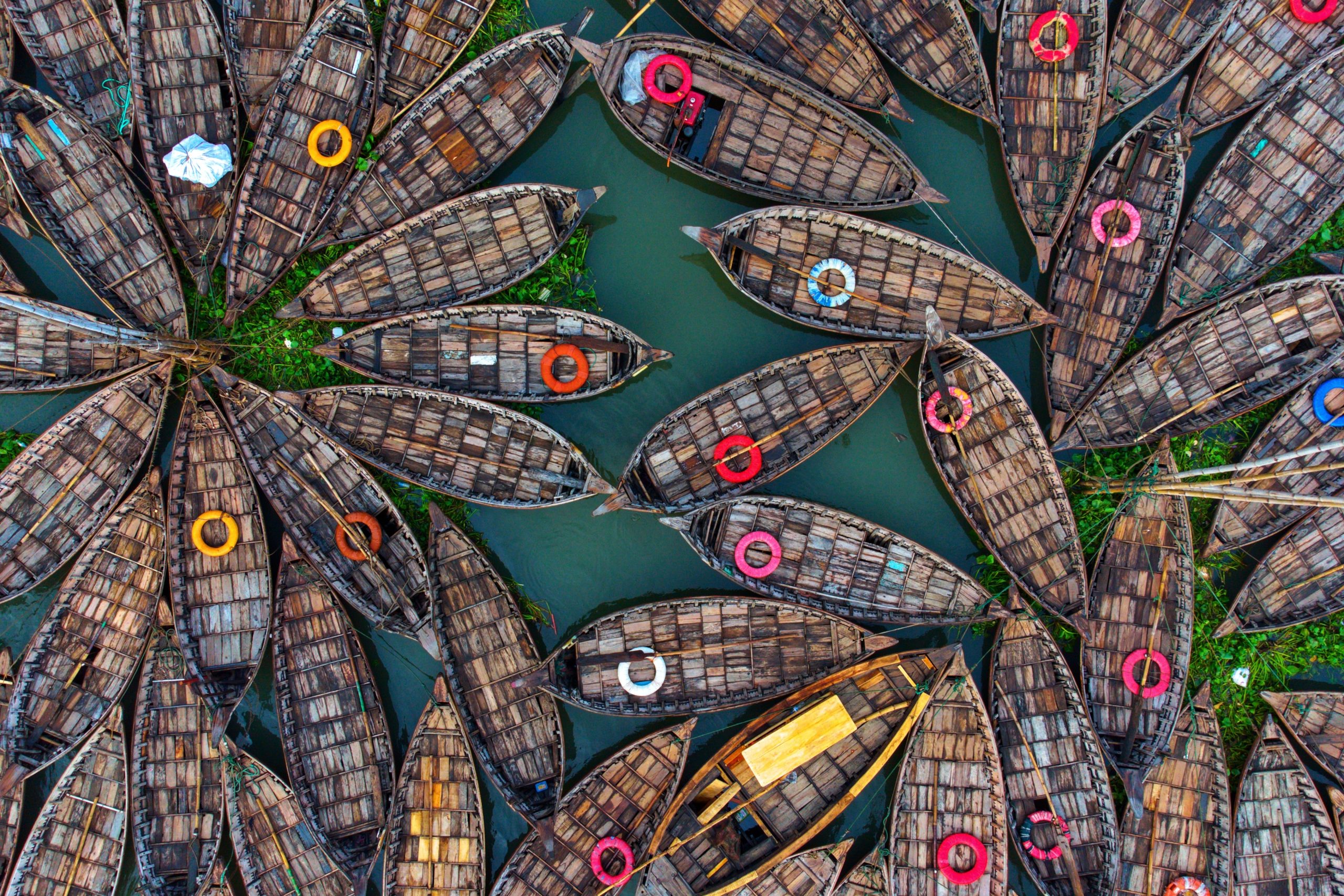
Explore Dhaka’s river-based urban life, documenting boats, ferries, porters, and passengers at Sadarghat. A river crossing leads to shipyards where vessels are built, repaired, and dismantled entirely by hand—an intense story of labour and skill. The day ends at Ahsan Manzil, reflecting Dhaka’s aristocratic past.
Day 5 – 16 April | Aminbazar: Brick Kilns & Raw Industry
Visit traditional brick kilns where clay is moulded, dried, fired, and transported manually. Nearby coal and sand loading areas reveal another layer of physically demanding industrial labour, offering strong documentary narratives shaped by dust, fire, and repetition.
Day 6 – 17 April | Brahmanbaria: Rice Mills & Agrarian Life
Explore traditional rice processing centres where paddy is boiled, dried, and milled using age-old methods. This day focuses on rural work rhythms, family-based labour, and agricultural traditions that continue to sustain communities across Bangladesh.
Day 7 – 18 April | Narayanganj Textile Villages & Urban Chaos
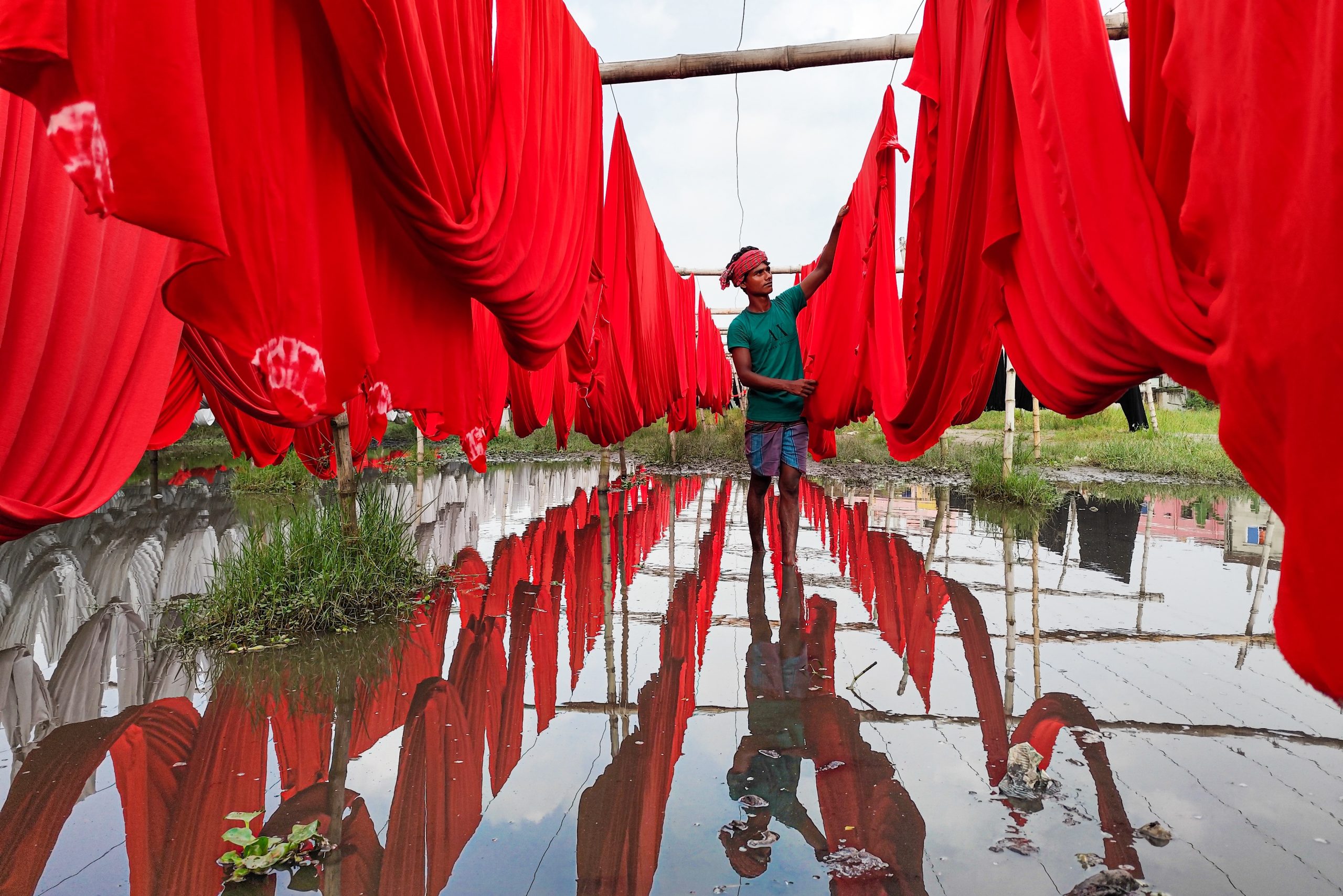
The final day begins in vibrant textile villages, photographing long stretches of dyed fabric drying under open skies. Nearby village life shaped by the garment industry adds depth to the story. The tour concludes at New Market, capturing Dhaka’s traffic chaos—a powerful visual metaphor for the city’s relentless energy.
- Tour Highlights
- Experience Pohela Boishakh celebrations at the heart of Dhaka
- Photograph Mangal Shobhajatra, the iconic New Year rally
- Document Chaluk Puja & Lal Kach Festival in rural Bengal
- Explore river life & shipyards on the Buriganga
- Visit brick kilns, rice mills, textile-drying villages
• Focus on people, rituals, labour, and everyday culture
- Includes
- Professional photography-focused cultural guide
- All local transportation
- Cultural access & community coordination
- All entry permissions where required
- Bottled drinking water
• Cultural interpretation & storytelling support
- Excludes
- Accommodation (can be added)
- Meals (optional add-on)
- Personal expenses
- International flights
Why Book With Us?
- No-hassle best price guarantee
- Customer care available 24/7
- Hand-picked Tours & Activities
- Free Travel Insureance
- Tour Price (Per Person)
- Daily Cost: Per Parson: $300
- Total Cost: $2100
- Daily Cost: Per Parson: $290
- Total Cost: $4060
- Daily Cost: Per Parson: $280
- Total Cost: $5880
- Daily Cost: Per Parson: $270
- Total Cost: $7560
- Trip Galery